
Contract Closure Management Software
That Formally Closes What Execution Started
Contract Closure Management Software handles quantity knock-off, shipment closure with operational proof, payment settlement confirmation, short closure with approval, exposure review before final sign-off, and management-ready closure reporting — all in one connected workflow.
What Happens When Contracts Are Considered Closed Before They Are
Shipments Are Done. The Contract Balance Is Still Open.
Three shipments moved. Two invoices were paid. One payment had a deduction. The remaining quantity was never executed.
Individual shipments get marked complete while the contract accumulates open quantity and exception items that nobody is tracking.
"Delivery" and "Closure" Are Not the Same Thing
Cargo was delivered. The buyer accepted. The payment was mostly received. The deduction was discussed.
Without a structured closure process, "delivered" becomes a permanent substitute for "closed." A contract is closed when quantity is reconciled and payments are settled.
Short Closures Happen Without Approval
The balance was dropped informally—reduced in a spreadsheet, not followed up, never formally approved.
Six months later, nobody can explain why the contract closed short. Balances disappear without a financial impact review or approval trail.
Management Sees "Closed" But Lacks Context
The reporting shows 47 contracts closed. But how many were settled versus short closed? How many had unresolved claims?
Without structured closure reporting, every "closed" contract is a black box. Leadership lacks visibility into exposures and exceptions.
UNDERSTANDING THE MODULE
Trade Contract Knock-Off Software
Trade contract closure software is the structured workflow layer that formally confirms a buyer-seller trade contract is complete—operationally, financially, and commercially.
It is the closure layer that sits at the end of the full contract-to-cash journey—taking inputs from nominations, logistics, customs, document presentation, and payment tracking to produce a formally approved, audit-ready record.
For commodity traders and export operations teams, this is the module that turns execution completion into formal, traceable, defensible contract closure.
WHAT THE MODULE DOES
Contract Balance Reconciliation Tool & Six Closure Layers
Quantity Closure
Close contract quantities with clarity and confidence.
Reconcile contracted quantity against nominated, dispatched, shipped, invoiced, and buyer-accepted quantity in a contract-level knock-off view. Track balance quantity with shipment-level mapping.
Shipment Closure
Close every shipment with complete operational proof.
Verify final operational milestones with date, owner, and source confirmation. Connect proof records—PODs, BLs, survey reports—to the shipment file and close open exceptions with a formal trail.
Payment Closure
Close payments only when settlement is complete.
Compare expected invoice value against received amounts, adjust deductions, and route balance treatment decisions through a defined workflow before confirming financial closure.
Short Closure
Close unexecuted contract balances with clear approval.
Create structured short closure requests. Classify shortfall reasons, review financial impact, route for management approval, and attach buyer acceptance to the final record.
Exposure Control
Know what exposure remains before closing the contract.
Review all residual open items—unpaid balances, unadjusted deductions, short payments, and quality claims. Track recoverable costs and show closure readiness.
Closure Reporting
Report contract closure with complete business visibility.
View all contracts by closure status from a single dashboard. Generate summary reports showing quantity execution, shipment completion, and exposure outcomes in one view.



Contract Settlement Tracking System
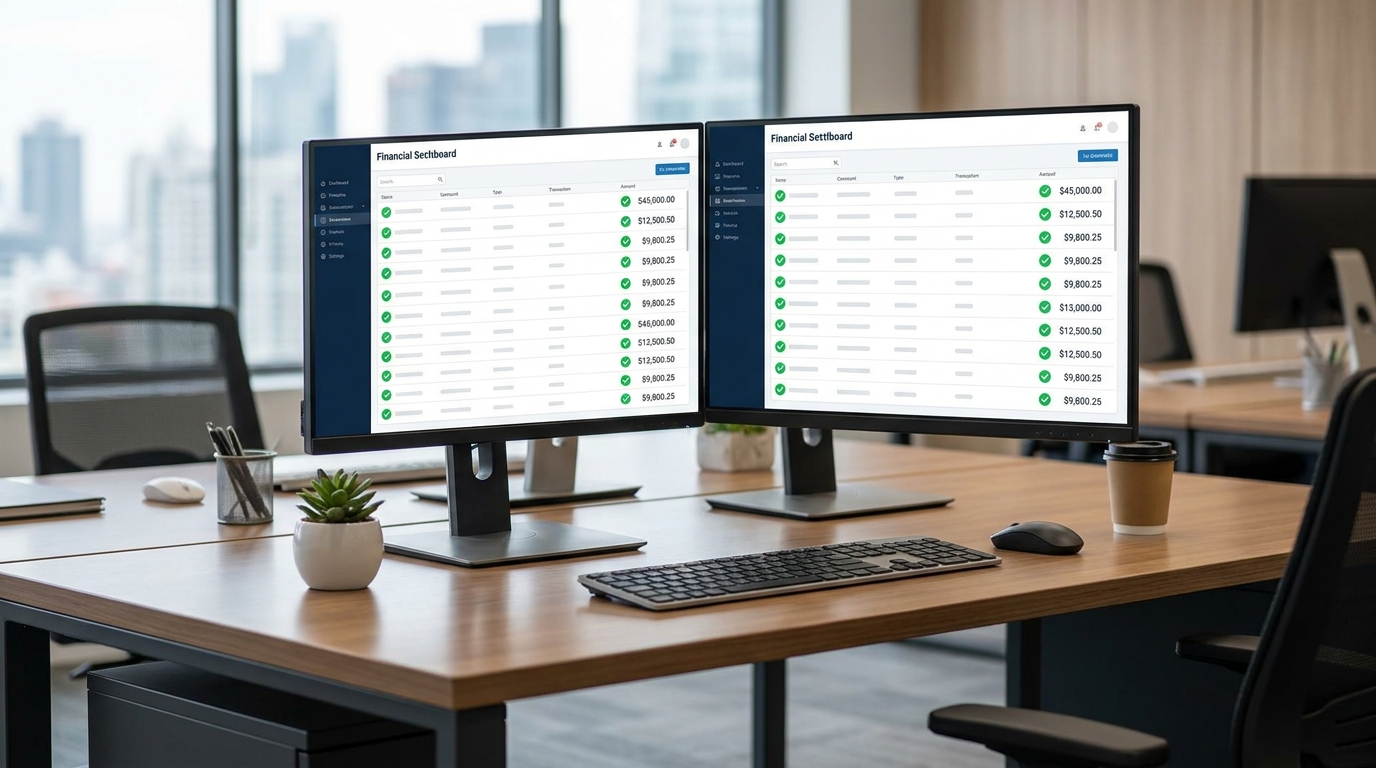
Reconcile Quantity and Confirm Shipment Closure
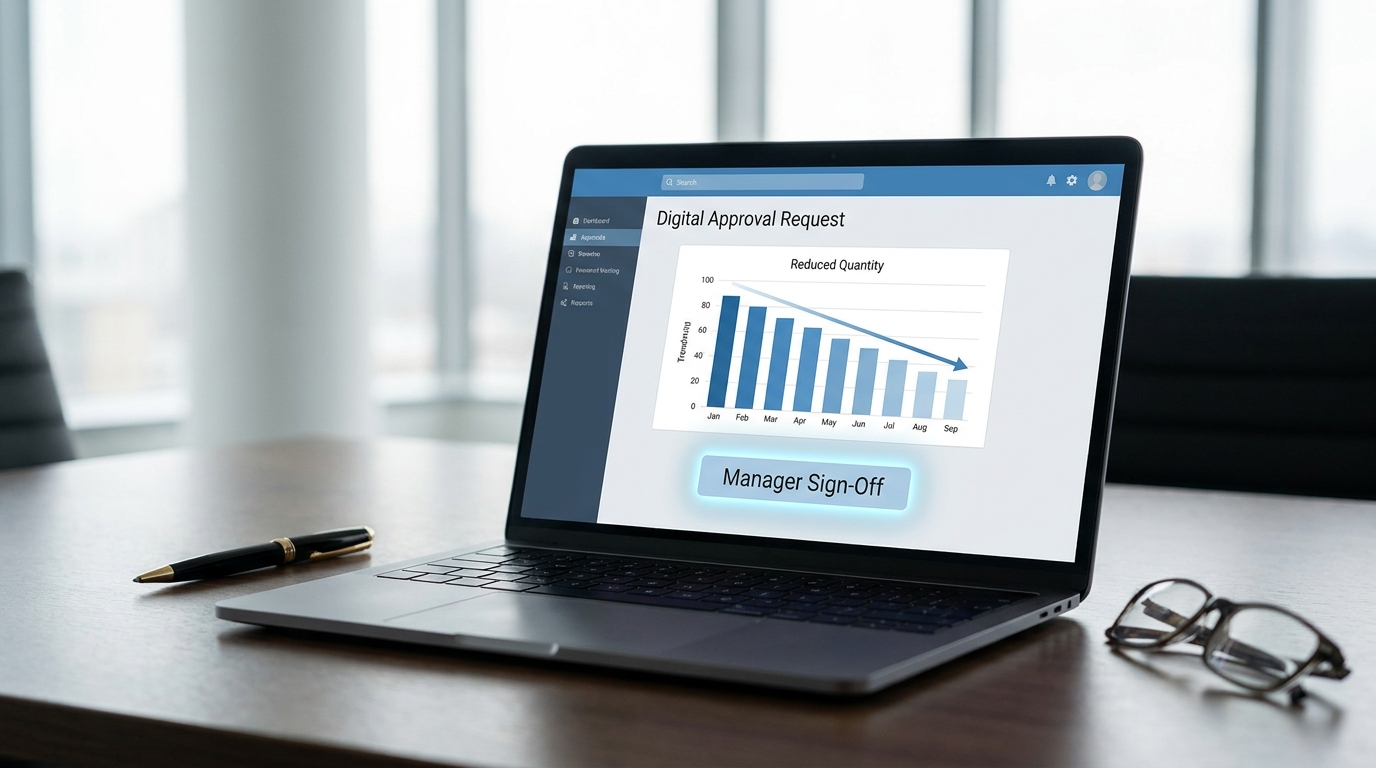
Confirm Payment Settlement and Handle Short Closure
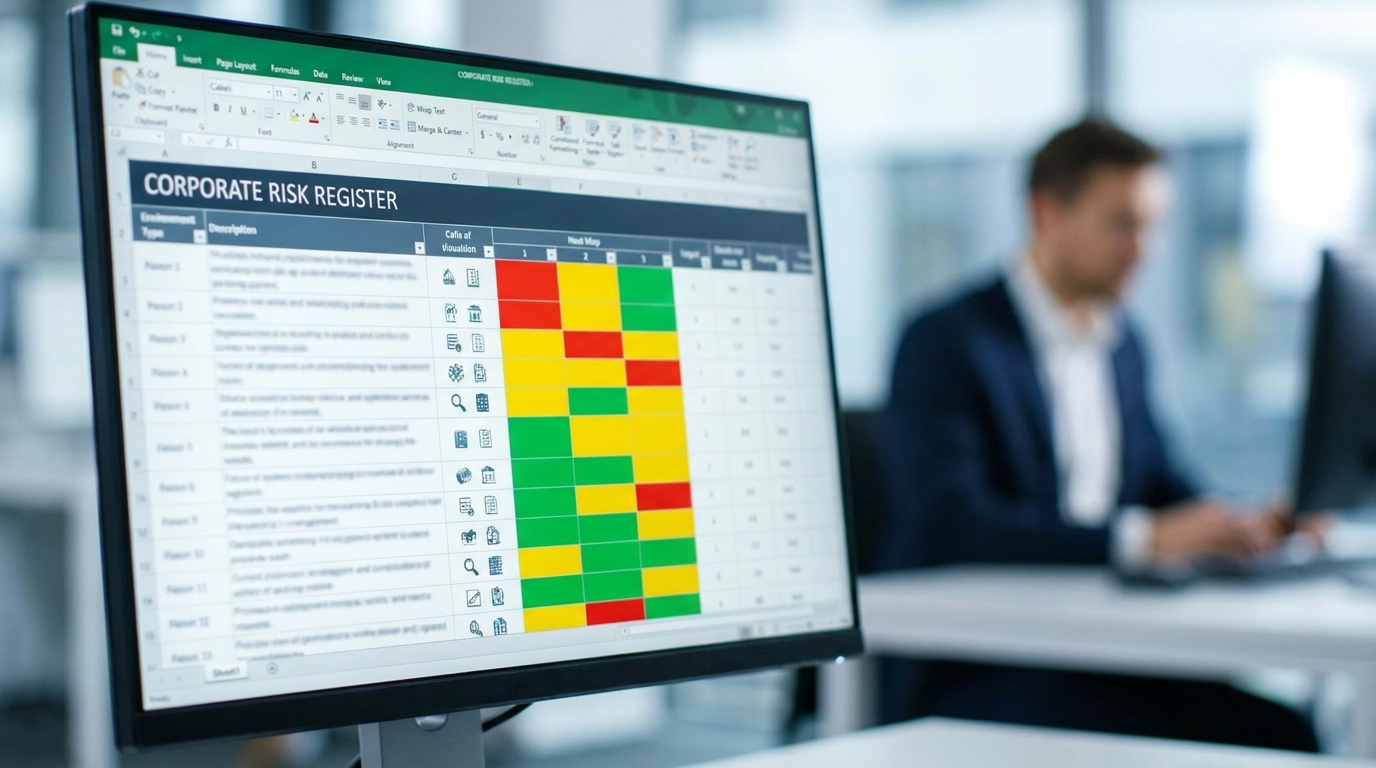
Review Exposure Before Final Sign-Off
Close and Report With Full Visibility

Quantity Closure compares contracted quantity against executed quantity—identifying any balance. Shipment Closure verifies that every individual shipment is operationally complete with proof attached. No shipment feeds into contract closure without a signed-off record.

Payment Closure reviews financial settlement—comparing expected value against received amounts. Where a contract didn't execute in full, Short Closure creates a formal request with reason classification, financial impact, and management approval.

Before final closure, Exposure Control surfaces every remaining open item (unpaid balances, open claims, disputed deductions) in a risk item register. The closure readiness indicator shows if the contract is genuinely clean and ready for final closure.

When quantity is knocked off, shipments signed off, payment settled, and exposure cleared, the contract formally closes. Closure Reporting captures the complete record, giving leadership a comprehensive, audit-ready summary of what closed and how.
Executed Quantity Tracking Software for Every Team
Closure That Requires Proof — Not Assumption.
Every trade operation has an informal closure point—the last shipment moved, the invoice was mostly paid, and a spreadsheet was updated. CargoClave replaces this informal endpoint with a structured closure workflow.
The difference between "complete" and "formally closed" is operational, financial, and commercial risk.
| CargoClave | Traditional Approach | |
|---|---|---|
| Quantity closure | Contract-level knock-off comparing shipped and invoiced quantity with tolerance approval | Spreadsheet comparison on request, balance dropped informally |
| Shipment closure | Milestone confirmation, cost review, and exception closure before contract closure | Shipment marked complete when cargo delivered, open items forgotten |
| Payment closure | Settlement summary with expected vs received comparison and financial sign-off | Payment received treated as payment closed, deductions informally accepted |
| Short closure | Formal request with reason, financial impact, buyer confirmation, and approval trail | Balance reduced in spreadsheet without reason, approval, or trail |
| Exposure control | Risk register with every open item and resolution tracked before closure confirmation | Open items discovered after closure when a claim or dispute surfaces |
| Closure reporting | Live dashboard with contract status breakdown, exception reporting, and audit export | Manual consolidation from team reports, incomplete and inconsistent |
Frequently Asked Questions
Why do trade teams need Executed Quantity Tracking Software?
How does Executed Quantity Tracking Software handle short closures?
Ready to Close Every Trade Contract With Formal Control — Not Quiet Assumption?
See how CargoClave's Trade Contract Closure Software closes the full contract-to-cash loop so every contract that closes, closes completely.
No generic demo. We'll walk through a live contract closure scenario and show you where each tracking layer fits your team's process.