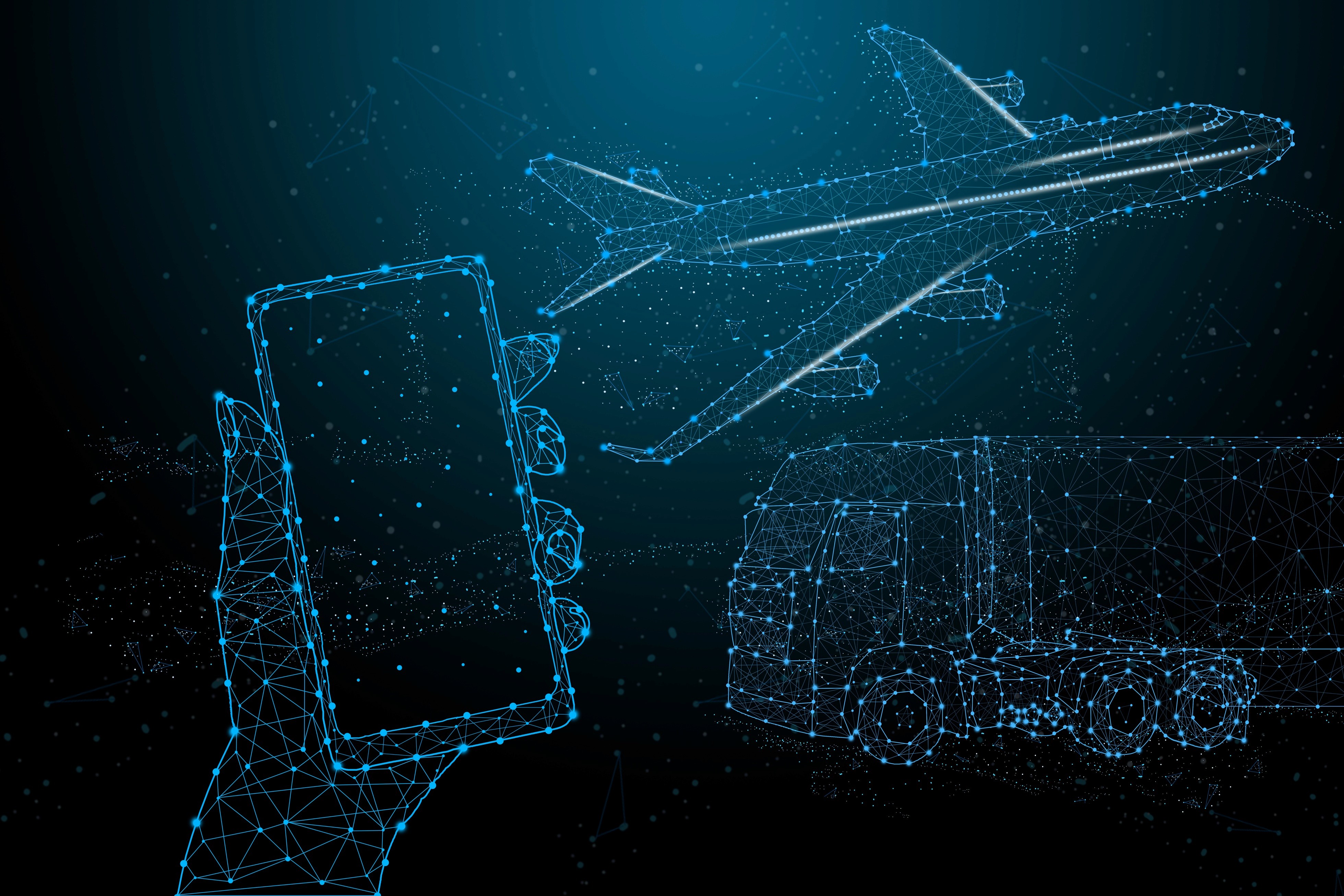
From Paperwork to Platforms: Why Digitization Is Non-Negotiable in Modern Logistics
Explore how logistics has evolved from manual paperwork to digital platforms — and why digitization is now essential for speed, accuracy, and growth.
Explore how logistics has evolved from manual paperwork to digital platforms — and why digitization is now essential for speed, accuracy, and growth.
A Pile of Paper and a Race Against Time
Picture this: It’s 2008. A warehouse supervisor named Ramesh sits at his desk, surrounded by teetering stacks of invoices, delivery receipts, and handwritten order sheets. The phone rings every few minutes — a driver calling to confirm a pickup, a supplier asking for an update, or a customer wanting to know where their shipment is.
Ramesh shuffles through papers, trying to locate the right document. By the time he finds it, another issue pops up — a truck is delayed due to a missing clearance slip. Deadlines are missed, tempers flare, and costs mount.
For years, this was logistics — manual, paper-based, and painfully slow.
Fast forward to today, and the landscape looks entirely different. A logistics manager logs into a dashboard that shows real-time shipment tracking, automated document management, and AI-powered alerts for potential delays. No more piles of paper. No more guesswork. Just data-driven control.
This isn’t just evolution — it’s a revolution.
The Old World: When Paper Controlled the Process
Before digitization, logistics was a world of clipboards, spreadsheets, and filing cabinets. Every shipment meant forms to fill, documents to sign, and endless coordination between teams.
The problems were obvious:
Errors were frequent. One misplaced document could delay an entire shipment.
Data was fragmented. Information was scattered across different departments and systems.
Updates were slow. Drivers, dispatchers, and managers often worked in silos, leading to communication breakdowns.
Costs were high. Manual work meant higher labor expenses, inefficiency, and human error.
The industry had become too big and too complex for paper to keep up.
Then came the digital wave — and with it, a new way of thinking about logistics.
The Shift: From Paperwork to Platforms
Digitization didn’t just replace paper with screens — it redefined how logistics works.
It started with simple tools: electronic spreadsheets, barcode scanners, and digital invoicing. But soon, technology evolved into comprehensive logistics platforms that connected every part of the supply chain — from warehouses and transport fleets to end customers.
These platforms integrate document management, fleet tracking, task management, and predictive analytics under one digital ecosystem. What used to take hours now happens in seconds.
For example:
A delivery driver uploads a signed POD (Proof of Delivery) directly into the system using a mobile app.
AI verifies the document, updates the shipment status, and sends a notification to the client automatically.
The manager sees the entire process in real time — no phone calls, no paperwork, no confusion.
This is what true digitization looks like — smooth, fast, and data-driven.
Why Digitization Is No Longer Optional
The logistics world has changed permanently. Today’s customers expect speed, transparency, and precision. Paper can’t deliver that — but platforms can.
Here’s why digitization is now non-negotiable:
1. Speed Is the New Currency
Digital workflows reduce turnaround times dramatically. From automated invoicing to instant route optimization, every process moves faster — allowing businesses to deliver goods before competitors even leave the dock.
2. Accuracy and Accountability
Automation eliminates manual errors and provides a clear audit trail for every shipment. With digital records, there’s no more “lost paperwork” — everything is timestamped, verified, and searchable.
3. Real-Time Visibility
With dashboards and alerts, logistics managers can monitor shipments, fleet performance, and warehouse operations instantly. When something goes wrong, they know immediately — and can act before it escalates.
4. Cost Efficiency
Digitization reduces labour costs, minimizes delays, and cuts waste. From automated route planning to predictive maintenance, data-driven decisions save time and money across the supply chain.
5. Sustainability and Compliance
Digital platforms eliminate paper waste and make compliance easier. All documentation — from customs forms to delivery proofs — can be securely stored and retrieved with a click.
The Human Side of Digitization
Digitization isn’t about replacing people — it’s about empowering them.
When paperwork is automated, employees can focus on higher-value tasks like decision-making, customer service, and strategic planning. Drivers spend less time filling forms, warehouse staff move products faster, and managers make informed decisions backed by real-time data.
In short: Technology handles the routine; humans handle the exceptional.
That’s what makes companies like CargoClave different — they don’t just digitize logistics; they humanize technology. Their platforms are built to make work easier, not harder — intuitive, smart, and adaptable to how logistics professionals actually operate.
The Future: Intelligent, Connected, Predictive
We’ve moved from paper to platforms — but the journey doesn’t stop there. The next phase is predictive logistics, where data doesn’t just tell you what’s happening — it tells you what’s about to happen.
With AI and machine learning, companies can now:
Forecast demand surges before they occur.
Predict delays based on weather or traffic patterns.
Automate maintenance schedules for vehicles.
Suggest the most cost-effective routes in real time.
In this future, logistics will be not just digital — but intelligent, connected, and self-optimizing.
Conclusion: The New Normal
The logistics world has come a long way from Ramesh’s cluttered desk. What was once manual, reactive, and chaotic is now digital, proactive, and efficient.
Digitization isn’t just a competitive edge anymore — it’s survival. And for businesses that embrace it early, the rewards are immense: faster deliveries, happier customers, lower costs, and a stronger brand reputation.
Because in the modern logistics landscape, success isn’t written on paper — it’s powered by platforms.
Let’s Move Your Business Forward.
Fast, reliable, and customized logistics solutions at your fingertips.