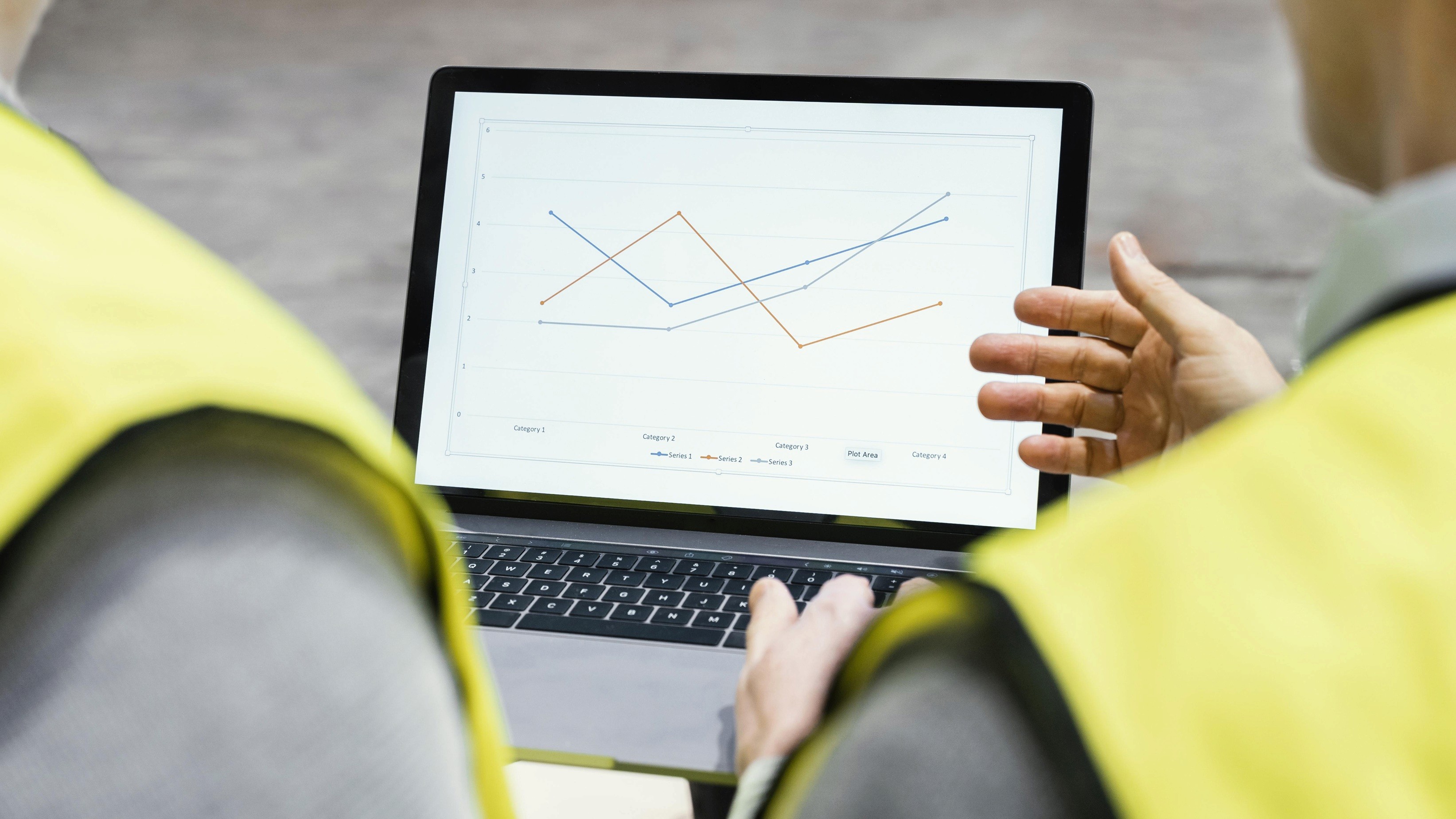
Predictive Analytics in Logistics: Forecasting Demand Before It Happens
Predictive analytics involves using historical data, statistical models, and machine learning algorithms to predict future trends and outcomes. In logistics, this means analyzing data from multiple sources — shipments, sales, traffic, weather, and even customer behavior — to identify patterns and forecast future events.
Discover how predictive analytics is transforming logistics by forecasting demand, improving inventory management, and minimizing delivery and operational risks.
In logistics, timing is everything. Whether it’s knowing how much stock to keep, when to ship, or which routes to take, every decision impacts efficiency and profitability. Traditionally, these decisions relied on experience, intuition, and static historical data — but in a fast-moving, unpredictable market, that’s no longer enough.
Enter predictive analytics — the game-changer that’s helping logistics companies anticipate demand, reduce waste, and make smarter, faster decisions. Using advanced data analysis, AI, and machine learning, predictive analytics empowers logistics professionals to forecast what will happen next — not just react to what already happened.
In this blog, we’ll explore how predictive analytics is revolutionizing logistics through better inventory management, delivery planning, and risk mitigation, and how solutions like CargoClave’s intelligent systems make this transformation seamless.
What Is Predictive Analytics in Logistics?
Predictive analytics involves using historical data, statistical models, and machine learning algorithms to predict future trends and outcomes. In logistics, this means analyzing data from multiple sources — shipments, sales, traffic, weather, and even customer behaviour — to identify patterns and forecast future events.
The goal is simple yet powerful: to anticipate demand and disruptions before they occur so that companies can plan proactively rather than reactively.
1. Forecasting Demand with Precision
One of the most significant applications of predictive analytics in logistics is demand forecasting. Accurately predicting customer demand ensures that goods are available where and when they’re needed — without overstocking or understocking.
How it works:
Predictive systems analyze past sales data, market trends, seasonal patterns, and even social media or weather reports to forecast future demand.
Benefits:
Optimal Inventory Levels: Prevents overstocking (which ties up capital) and understocking (which leads to lost sales).
Improved Cash Flow: By aligning inventory with actual demand, companies reduce excess storage costs.
Faster Order Fulfillment: With the right stock in the right place, deliveries are faster and smoother.
For example, a logistics company managing perishable goods can use predictive models to forecast demand spikes during holidays or regional festivals — ensuring that warehouses and distribution centers are stocked accordingly.
2. Smarter Inventory Management
Inventory management is one of the most complex challenges in logistics. Too much inventory increases costs; too little causes supply chain disruptions. Predictive analytics bridges that gap by providing data-backed insights into when and where to restock.
Key ways predictive analytics optimizes inventory:
Automated Replenishment: Systems automatically trigger restocking when predictive models indicate future shortages.
Warehouse Optimization: AI can predict which items will move fastest, helping managers allocate storage space more efficiently.
Dynamic Safety Stock: Instead of fixed safety stock levels, predictive analytics adjusts buffer quantities based on real-time data and trends.
The result? Reduced wastage, better space utilization, and consistent product availability — all essential for maintaining customer satisfaction.
3. Enhancing Delivery Planning and Fleet Efficiency
Timely delivery is a critical KPI in logistics. Predictive analytics enhances route planning and fleet management by combining data on weather, traffic, fuel costs, and delivery schedules to forecast optimal conditions.
Real-world impact:
Route Optimization: AI systems predict traffic congestion or route closures and suggest alternative routes in advance.
Fleet Maintenance Forecasting: Predictive maintenance models can analyze vehicle performance data to forecast potential breakdowns before they happen.
Fuel Efficiency: Analytics help identify patterns in fuel consumption and suggest ways to reduce waste.
For instance, predictive tools can analyze years of route and performance data to forecast when a delivery truck will need maintenance, preventing downtime and costly delays.
4. Risk Mitigation and Proactive Problem Solving
Disruptions in logistics — from weather events and geopolitical tensions to supplier issues — can cripple operations. Predictive analytics minimizes risk by forecasting potential disruptions and offering contingency strategies.
Examples include:
Weather and Traffic Forecasting: Models use meteorological and traffic data to predict delivery delays.
Supply Chain Disruptions: Predictive algorithms identify supplier performance trends and flag potential bottlenecks.
Demand Surges: Retailers and logistics firms can prepare for sudden spikes in orders, such as during sales or holidays.
By anticipating risks, logistics companies can act before a problem occurs — rerouting shipments, reallocating resources, or notifying customers proactively.
5. Data-Driven Decision-Making for the Future
The real power of predictive analytics lies in transforming logistics from a reactive to a strategically proactive operation. Decision-makers no longer rely on guesswork; they act based on real-time insights backed by solid data.
Key outcomes:
Improved operational efficiency
Reduced costs and downtime
Enhanced customer trust and transparency
Stronger, data-driven supply chain strategies
Companies that harness predictive analytics can not only streamline operations but also gain a competitive advantage in an industry that values precision and reliability.
Conclusion
Predictive analytics is no longer a futuristic concept — it’s the present and future of logistics. By forecasting demand, optimizing inventory, and mitigating risks, predictive tools empower companies to operate smarter, faster, and more efficiently.
Solutions like CargoClave’s AI-driven logistics platforms integrate predictive analytics into daily operations, providing managers with actionable insights, automated alerts, and real-time dashboards. With such tools, businesses can anticipate challenges before they arise — and turn uncertainty into opportunity.
In an industry where timing defines success, predictive analytics ensures that logistics operations stay ahead of the curve — forecasting demand before it happens and delivering excellence at every step of the supply chain.
Let’s Move Your Business Forward.
Fast, reliable, and customized logistics solutions at your fingertips.