Why Real-Time Visibility is a Game Changer for Supply Chains
Discover how real-time visibility is transforming supply chains, driving proactive decision-making, improving efficiency, and enhancing customer satisfaction through the use of dashboards, alerts, and monitoring tools.
Discover how real-time visibility in supply chains, enabled by dashboards, alerts, and monitoring tools, drives proactive decision-making, efficiency, and customer satisfaction.
In the modern business landscape, supply chains are more complex than ever. Products move across multiple suppliers, warehouses, and transportation networks before reaching customers. In such a dynamic environment, having a real-time view of operations is no longer optional — it’s essential. Without visibility, companies risk delays, inefficiencies, and poor customer experiences.
Real-time visibility refers to the ability to monitor, track, and manage all elements of the supply chain as they happen. From tracking shipments and monitoring inventory to overseeing fleet operations, real-time visibility provides logistics managers with the information they need to make quick, informed decisions.
In this blog, we explore why real-time visibility is a game changer for supply chains and how tools like dashboards, alerts, and monitoring platforms empower businesses to operate smarter.
Understanding the Need for Real-Time Visibility
Supply chains today are incredibly dynamic. A single delay or error can have ripple effects across the network. Common challenges without real-time visibility include:
Shipment delays: Untracked shipments can get held up due to traffic, weather, or logistical errors.
Inventory discrepancies: Lack of up-to-date inventory data can lead to overstocking, stockouts, or mismanaged resources.
Poor decision-making: Without real-time data, managers rely on outdated information, increasing the risk of operational inefficiencies.
Traditional supply chain management relies on periodic reporting and manual updates, which often results in reactive decision-making. Real-time visibility changes the game by providing instant insights, enabling managers to act proactively rather than reactively.
Dashboards: Your Command Centre
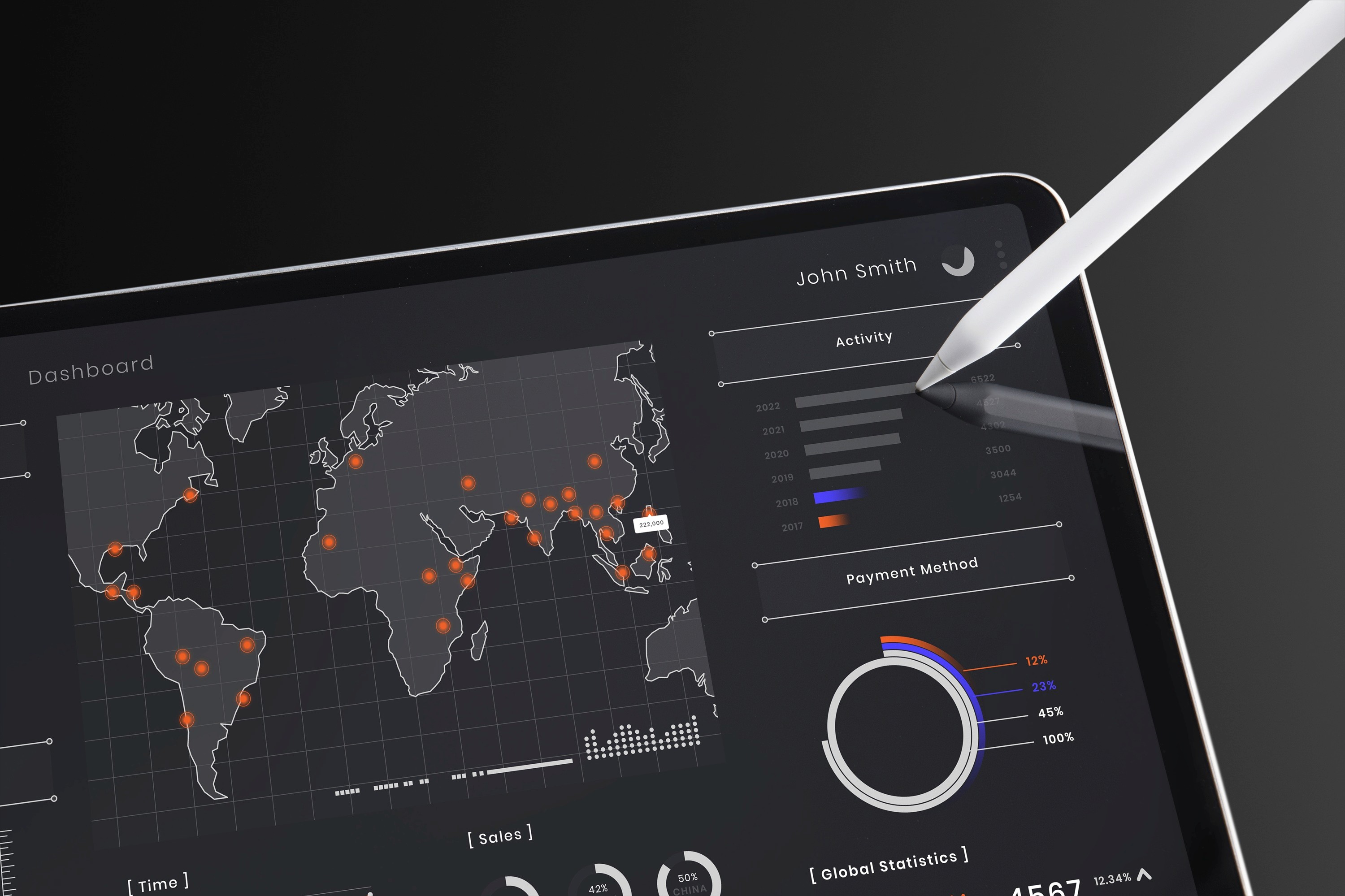
One of the key tools enabling real-time visibility is the dashboard. Dashboards consolidate critical supply chain data into an intuitive, easy-to-read interface, allowing managers to monitor operations at a glance.
Key features of supply chain dashboards include:
Shipment Tracking: Track shipments from origin to destination, view ETA, and identify any delays immediately.
Inventory Status: Monitor stock levels across warehouses in real time to prevent shortages or excess inventory.
Performance Metrics: Visualize KPIs such as on-time delivery rates, fleet utilization, and order fulfilment times.
For example, a logistics manager can see all shipments due for the day, identify any that are running behind schedule, and take corrective action instantly. Dashboards reduce information overload by presenting only the most relevant data in a structured, actionable format.
Alerts: Proactive Notifications for Faster Action
Real-time alerts are another critical component of visibility. While dashboards provide an overview, alerts ensure managers are notified immediately when something requires attention.
Benefits of alerts in supply chain management:
Immediate Issue Detection: Alerts can notify managers about delayed shipments, damaged goods, or inventory shortages.
Reduced Response Time: Quick notifications allow teams to take corrective actions before minor issues escalate into major problems.
Customization: Alerts can be tailored based on priority, type of shipment, or location, ensuring critical issues are never overlooked.
For instance, if a truck carrying time-sensitive goods is delayed due to traffic, an alert can notify the logistics team. They can reroute another vehicle or inform the customer proactively, minimizing disruption.
Monitoring Tools: Real-Time Insights Across Operations
Beyond dashboards and alerts, monitoring tools provide granular insights into every aspect of the supply chain. These tools leverage IoT sensors, GPS tracking, and cloud platforms to deliver accurate, real-time data.
Key capabilities of monitoring tools include:
Fleet Monitoring: Track vehicle locations, fuel usage, and driver performance.
Temperature and Condition Monitoring: For perishable or sensitive goods, IoT sensors can track conditions like temperature, humidity, or shock, alerting managers if thresholds are exceeded.
Warehouse Monitoring: Track stock movement, storage conditions, and staff activities to optimize warehouse operations.
Monitoring tools allow logistics managers to identify bottlenecks, inefficiencies, or potential risks proactively. By addressing problems before they escalate, companies can maintain operational efficiency and improve customer satisfaction.
How Real-Time Visibility Drives Proactive Decision-Making
The true power of real-time visibility lies in enabling proactive decision-making. With instant access to accurate data:
Managers can anticipate issues: Instead of reacting to delays, they can prevent them by reallocating resources or adjusting schedules.
Operations become agile: Companies can quickly adapt to unexpected changes, such as weather disruptions, traffic jams, or sudden demand spikes.
Customer satisfaction improves: With accurate ETAs and proactive updates, customers remain informed, building trust and loyalty.
Costs are reduced: By preventing delays, optimizing routes, and managing inventory efficiently, companies save time and money.
For example, a real-time visibility platform could alert a warehouse manager to a sudden spike in demand for a particular product. The manager can immediately adjust stock levels, schedule additional shipments, and avoid stockouts, ensuring smooth operations and satisfied customers.
Conclusion
Real-time visibility is transforming supply chains, making them smarter, faster, and more efficient. Tools like dashboards, alerts, and monitoring systems empower logistics managers with instant insights, enabling proactive decision-making and minimizing operational risks.
In a competitive global market, companies that leverage real-time visibility can respond faster to challenges, optimize resources, improve customer experiences, and maintain a significant edge over competitors. Digital solutions for real-time monitoring and logistics provide the technology and insights businesses need to make their supply chains resilient, transparent, and highly efficient.
The future of logistics is not just about moving goods — it’s about seeing, managing, and acting in real time, ensuring that supply chains operate seamlessly and efficiently from start to finish.
Let’s Move Your Business Forward.
Fast, reliable, and customized logistics solutions at your fingertips.