
Stay ahead of what happens at the port.
Track port milestones, gate movement, terminal status, vessel readiness, and port-side delays before they disrupt execution.
What Keeps Port Visibility Strong
Gate Status
Track whether cargo or container is waiting outside, gate-in completed, held at entry, or accepted for the next port process.
Cargo reaches the port. The real status becomes harder to see.
Gate movement is not always clear
Teams may know the vehicle has left the origin, but not whether it has reached the port, entered the gate, or is still waiting outside.
Terminal updates arrive late
Acceptance, hold, loading, rollover, discharge, or yard movement updates are often received after repeated follow-ups.
Port-side holds lack clarity
A shipment may be stuck due to customs, terminal process, line instruction, document issue, congestion, or examination — but the exact reason is not always visible.
Cut-off pressure builds silently
Teams may realize the risk only when the vessel cut-off is already close and recovery options are limited.
Customer updates become reactive
When port status is unclear, teams struggle to explain whether the shipment is moving, waiting, held, or at risk.
The port is where small delays become big consequences.
A shipment may be ready from the factory, but port-side execution can still change the entire outcome. Port Visibility helps teams stay aware of what is happening between gate movement, terminal acceptance, vessel planning, customs checks, and final loading or release.
Port windows are time-sensitive
Gate cut-offs, vessel schedules, terminal deadlines, and documentation requirements can leave very little room for recovery.
Multiple agencies are involved
Shipping lines, terminals, CHAs, customs teams, transporters, CFS operators, surveyors, and port authorities may all influence the final movement.
Port delays affect cost and customer confidence
A gate hold, customs examination, terminal congestion, or missed cut-off can quickly lead to extra cost, delayed delivery, and customer escalation.
Connect port-side execution with the full shipment flow.
CargoClave helps teams track port activity with clearer milestones, ownership, delay reasons, and vessel-linked status updates.
Port Milestone View
Show port-side progress from arrival and gate-in to terminal acceptance, vessel alignment, loading, discharge, and release.
Cut-Off Monitoring
Keep important port deadlines visible so teams can identify risk before a missed gate, document, or vessel cut-off.
Hold Visibility
Record port hold reasons with responsible party and next action, helping teams respond faster when execution slows down.
CHA & Terminal Coordination
Keep port updates connected with the teams handling customs, terminal movement, line coordination, and transporter follow-up.
Vessel Status Linkage
Connect shipment movement with vessel-related updates, making rollover, delay, and sailing changes easier to manage.
Port Event History
Maintain a clear trail of port updates, gate events, holds, comments, and resolution actions for future review.
Port visibility fails when events are tracked after impact.
Gate-in is treated as the finish line
Teams may assume the shipment is safe once it reaches the port, even though terminal acceptance and vessel loading are still pending.
Hold updates stay with one party
A CHA, transporter, or line executive may know the reason for delay, but the wider team continues working with incomplete information.
Vessel changes are not linked quickly
Rollover, delay, vessel change, or revised sailing details may not reach documentation and customer teams in time.
Port documents and movement updates move separately
Shipping bills, gate passes, line instructions, examination updates, and terminal events may not stay connected to the same shipment view.
Delay ownership becomes unclear
When the port process slows down, teams spend time finding the responsible party instead of resolving the blocker.
Better port control.
Fewer last-minute shocks.






Related Insights & Resources

What Is Port Visibility in Logistics Execution?

Port Visibility Checklist for Logistics and Operations Teams
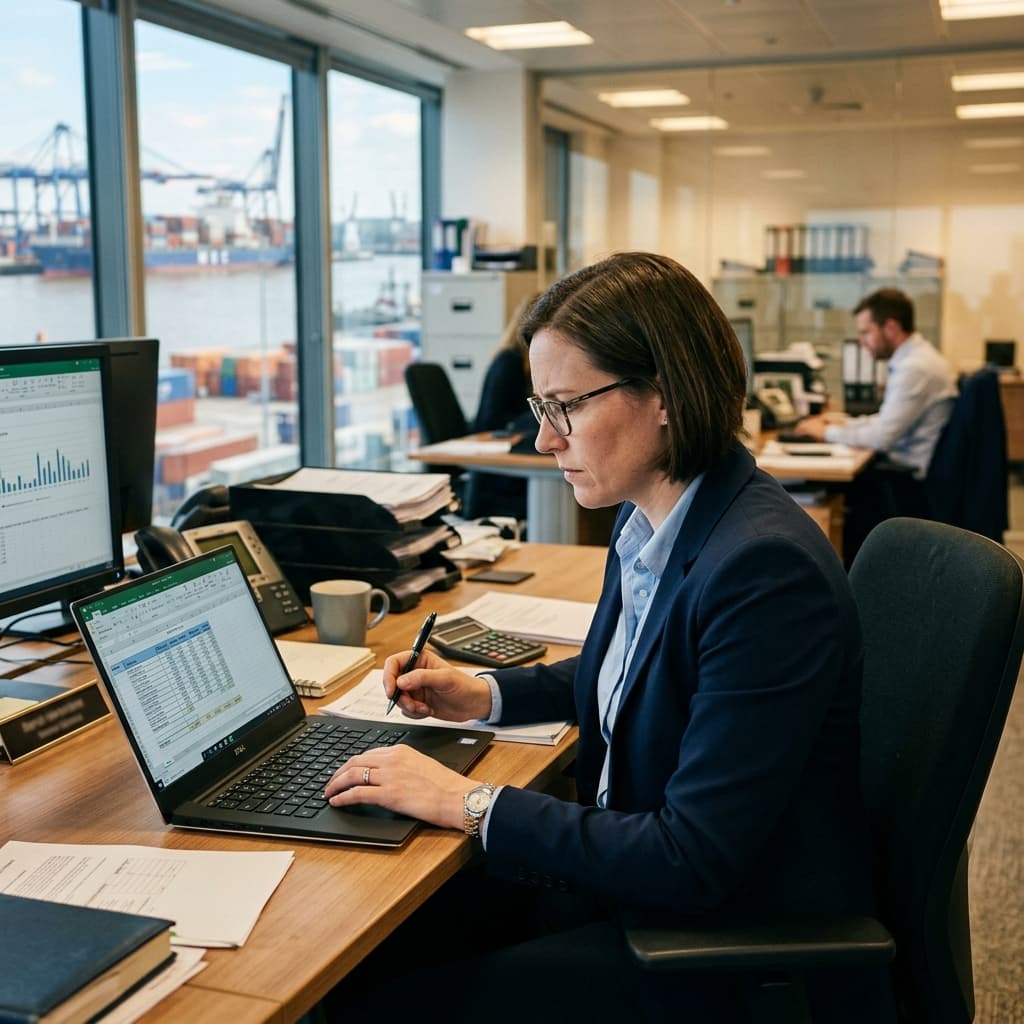
How Port Visibility Gaps Create Shipment Delays, Proof Gaps, and Customer Escalations

Best Practices for Stronger Port Visibility Control
Bring one shipment moving through port operations.
See how CargoClave connects port status with execution control.
Map gate movement, terminal milestones, vessel linkage, hold reasons, cut-off risks, and responsible teams in one connected workspace.