

How Port Visibility Gaps Create Shipment Delays, Proof Gaps, and Customer Escalations
Learn how port visibility supports logistics execution, shipment control, proof capture, exception handling, and customer visibility in modern trade operations - Dive deep into How Port Visibility Gaps Create Shipment Delays, Proof Gaps, and Customer Escalations.
Introduction: How Port Visibility Gaps Turn into Business Pressure
Port Visibility gaps rarely begin as dramatic failures. They usually begin as small missing updates, unclear ownership, weak proof, delayed escalation, or disconnected party communication. By the time the issue reaches the customer, the original problem may already have affected delivery confidence, cost exposure, and internal credibility.
This article looks at how weak port visibility creates shipment delays, proof gaps, and customer escalations. It also explains how teams can identify the early warning signs, measure the operational impact, and build a more reliable control model for live logistics execution.
Where Port Visibility Gaps Usually Begin
- Missed cut-off visibility: Teams may focus on vessel ETD but miss the earlier documentation, VGM, customs, or terminal cut-off that actually controls loading.
- Port hold ambiguity: A hold may be described casually as “port issue,” but different holds require different owners and actions.
- Rollover discovery after sailing: Without loading confirmation, teams may assume the container sailed until the customer or shipping line asks for revised details.
- Cost build-up without early warning: Port storage and demurrage can accumulate while teams are still clarifying whether the issue belongs to documentation, customs, line release, or delivery planning.
- Fragmented party updates: CHA, transporter, terminal agent, shipping line, and internal operations may all share updates separately, creating conflicting status narratives.
How Small Gaps Create Shipment Delays
A delay in port visibility often starts with missing or stale information. The physical shipment may still be moving, but the business does not have reliable confirmation. This creates a planning gap for the next handoff, whether that handoff is a vehicle arrival, port gate-in, customer receiving, document closure, or payment follow-up.
The delay becomes more serious when no one knows who owns the next action. A missed milestone needs an owner, a reason, a revised ETA, and a communication decision. Without those elements, teams spend time asking for status instead of resolving the problem.
How Proof Gaps Become Disputes
- Missing evidence weakens claims defense: When port visibility proof is not captured at the moment of execution, teams may struggle to defend cargo condition, delivery timing, gate waiting, loading completion, or handover status.
- Late proof delays finance: Finance teams depend on reliable proof to raise invoices, release vendor payments, support collections, or close shipment files. A completed movement can still remain commercially open.
- Unstructured proof is hard to retrieve: Even when proof exists, it may be buried in phones, WhatsApp groups, transporter emails, or local folders. Retrieval delay increases pressure during customer queries.
How Customer Escalations Build
Customers usually escalate when they feel the logistics provider is not in control of the answer. In port visibility, escalation risk increases when updates are late, proof is unavailable, revised ETA is unclear, and different team members share different status versions.
A better operating model gives customer service teams a reliable summary before the customer asks. This changes the conversation from “we are checking” to a specific update with current status, reason, next milestone, and expected timeline.
Operational and Financial Impact
| Impact Area | How the Gap Shows Up |
|---|---|
| Service reliability | Weak port visibility makes delivery commitments less dependable because the team cannot see problems early enough in that specific execution stage. |
| Cost control | Unseen port visibility delays can trigger detention, demurrage, waiting time, failed delivery cost, storage, re-handling, or route deviation cost. |
| Customer experience | Customers lose confidence when the logistics team cannot provide a clear port visibility status, reason, or proof during critical movement stages. |
| Internal productivity | Operations users spend time chasing port visibility updates, reconciling proof, and repeating manual status messages instead of solving exceptions. |
| Management control | Leadership sees port visibility escalations and cost after the damage has already happened, instead of seeing early warning indicators. |
Early Warning Signals for Port Visibility Gaps
- Cut-off compliance rate: Watch this indicator because it shows whether port visibility is becoming timely, complete, and action-oriented. Percentage of shipments meeting all relevant port-side cut-offs.
- Gate-in success rate: Watch this indicator because it shows whether port visibility is becoming timely, complete, and action-oriented. Share of planned containers or vehicles entering the terminal without missed gate windows.
- Port hold resolution time: Watch this indicator because it shows whether port visibility is becoming timely, complete, and action-oriented. Average time taken to identify, assign, and resolve port-side holds.
- Rollover incidence: Watch this indicator because it shows whether port visibility is becoming timely, complete, and action-oriented. Number or percentage of shipments not loaded on the planned vessel.
- Port cost exposure count: Watch this indicator because it shows whether port visibility is becoming timely, complete, and action-oriented. Shipments at risk of storage, demurrage, detention, or waiting charges.
Port Visibility Workflow
The workflow below shows how port visibility should move from planning or readiness into live execution, exception handling, proof capture, and closure.
| Workflow Step | Typical Owner | Operational Purpose |
|---|---|---|
| Confirm port, terminal, vessel, and cut-offs | Port Coordinators | At the "Confirm port, terminal, vessel, and cut-offs" stage, teams should capture the actual time, source of update, proof requirement, and next owner so port visibility moves forward without an undocumented handoff. |
| Coordinate documents and customs readiness | Terminal Agents | At the "Coordinate documents and customs readiness" stage, teams should capture the actual time, source of update, proof requirement, and next owner so port visibility moves forward without an undocumented handoff. |
| Track vehicle arrival and gate-in | Shipping Lines | At the "Track vehicle arrival and gate-in" stage, teams should capture the actual time, source of update, proof requirement, and next owner so port visibility moves forward without an undocumented handoff. |
| Monitor terminal hold or examination | Chas | At the "Monitor terminal hold or examination" stage, teams should capture the actual time, source of update, proof requirement, and next owner so port visibility moves forward without an undocumented handoff. |
| Confirm loading or discharge event | Transporters | At the "Confirm loading or discharge event" stage, teams should capture the actual time, source of update, proof requirement, and next owner so port visibility moves forward without an undocumented handoff. |
| Track release and gate-out | Surveyors | At the "Track release and gate-out" stage, teams should capture the actual time, source of update, proof requirement, and next owner so port visibility moves forward without an undocumented handoff. |
| Close port milestone with proof and cost notes | Exporters | At the "Close port milestone with proof and cost notes" stage, teams should capture the actual time, source of update, proof requirement, and next owner so port visibility moves forward without an undocumented handoff. |
Swipe ↔
Manual vs Connected Port Visibility
| Area | Manual Workflow | Connected Workflow |
|---|---|---|
| Status collection | Port Visibility updates are collected through calls, chats, and individual follow-ups when the workflow is manual. | Port Visibility updates are captured against the shipment record with time, source, and owner. |
| Exception handling | Port Visibility delays are discovered late and discussed informally when exception ownership is not structured. | Port Visibility exceptions are coded, assigned, escalated, and reviewed with a clear next action. |
| Proof management | Port Visibility photos, documents, and acknowledgements remain scattered across phones and emails in a manual workflow. | Port Visibility proof stays attached to the correct milestone, shipment, vehicle, container, or delivery record. |
| Customer communication | Different users may share different versions of the same port visibility status. | Customer-facing port visibility updates are prepared from the same execution record used by operations. |
| Management review | Managers see port visibility problems after escalations have already happened. | Leadership can see stale port visibility updates, missed milestones, risk clusters, and recurring execution gaps. |
How to Fix the Control Gap
- Maintain a port deadline dashboard: Track every shipment against all relevant port cut-offs rather than only against ETD or ETA.
- Classify holds clearly: Use defined hold categories such as customs hold, line hold, payment hold, terminal hold, documentation hold, or examination hold.
- Confirm actual loading: Do not treat gate-in as sailing. Require loading confirmation or carrier event before customer communication says cargo is onboard.
- Monitor import release stages: For imports, separately track DO availability, customs release, duty payment, terminal readiness, transport pickup, and empty return.
- Escalate before cost exposure: Trigger alerts when free time, storage time, gate cut-off, or document cut-off is approaching.
- Keep port proof in one shipment file: Attach gate passes, hold release notes, examination proof, and terminal confirmations to the same shipment record.
Technology Angle: From Manual Follow-Up to Connected Port Visibility
Technology improves port visibility when it captures execution updates at the source and keeps them connected to the shipment record. In this section, the emphasis is on exception response, so the workflow should reduce manual chasing while making ownership, proof, and exception timing easier to trust.
- Connected shipment records: For port visibility, every update should remain linked to the relevant shipment, order, container, vehicle, customer, document, and milestone. This keeps the operational story usable for exception response instead of forcing teams to reconstruct it from separate chats and spreadsheets.
- Role-based updates: The most relevant handoffs for port visibility often involve port coordinators, terminal agents, shipping lines. Each role should update only the fields connected to its responsibility so the workflow stays practical and adoption remains realistic.
- Exception alerts: The platform should highlight stale port visibility updates, missed milestones, approaching cut-offs, weak proof, or cost exposure before the issue reaches the customer escalation stage.
- Analytics and improvement: When port visibility data is structured, teams can identify which lanes, vendors, customers, terminals, locations, or cargo types repeatedly create weak points in exception response.
Future Outlook for Port Visibility
The future of port visibility will move toward event-driven execution, mobile proof capture, exception intelligence, and customer-ready communication. Logistics teams will not only track what happened; they will increasingly predict which movement is likely to miss a commitment and which action should be taken next.
AI and automation will be useful when they sit on top of clean operational data. For port visibility, this means standardized milestones, reliable timestamps, structured reason codes, proof quality checks, and clear ownership. Without this foundation, automation only accelerates weak information. With this foundation, teams can reduce manual work and improve control at the same time.
Conclusion
Port Visibility gaps create delays and escalations because they hide the truth until it is too late to respond cleanly. The solution is not more phone calls; it is structured milestones, reliable proof, clear ownership, and early warning signals that keep customers informed and teams accountable.
FAQs
Why do port visibility gaps lead to customer escalations?▼
Are port visibility gaps mostly technology problems?▼
How can teams identify early warning signs?▼
What is the financial impact of weak port visibility?▼
What is the first corrective step?▼
Related Resources
Continue reading on this topic
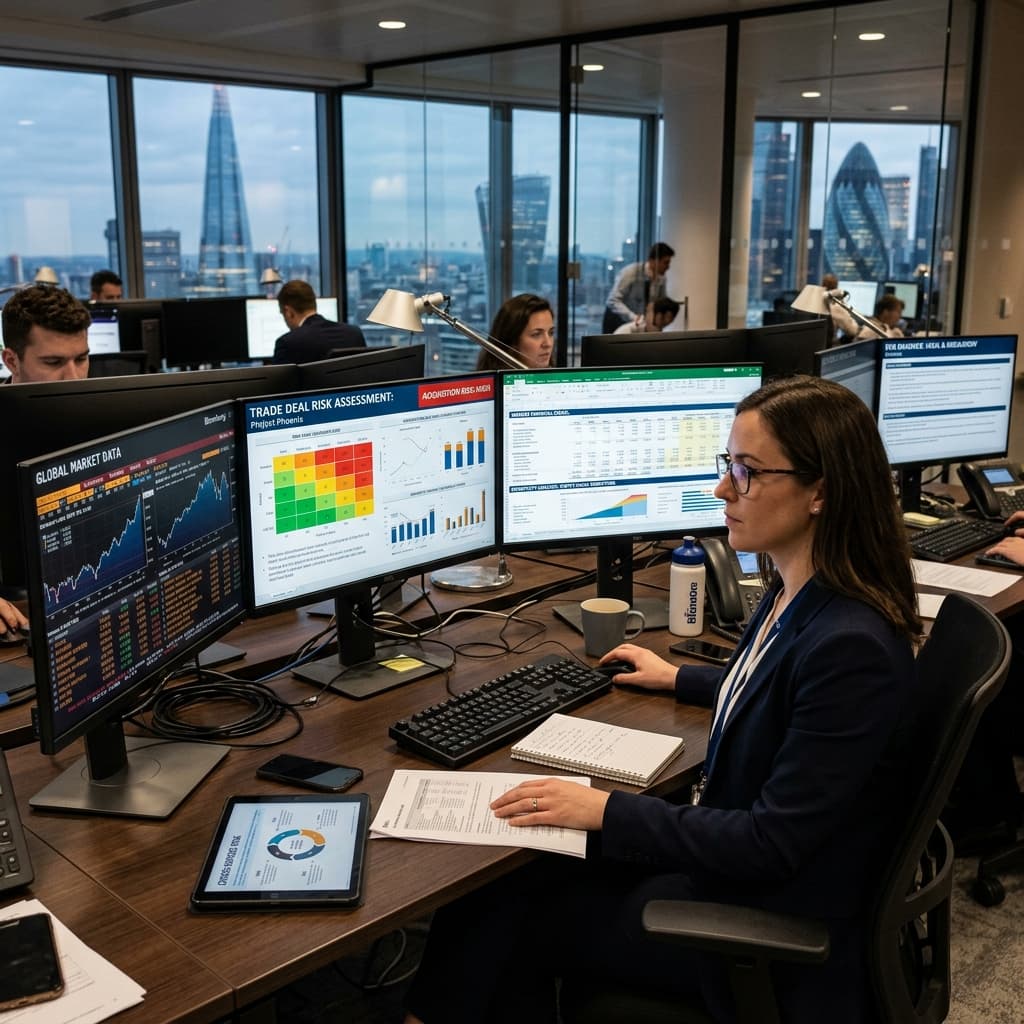
How Poor Receivable Visibility Impacts Cash Flow in Logistics Operations
Learn how to track shipment-wise receivables, ageing, buyer exposure, collection actions, and cash-flow visibility in export-import operations with practical controls, tables, workflows, and finance-team guidance - Dive deep into How Poor Receivable Visibility Impacts Cash Flow in Logistics Operations.
Read More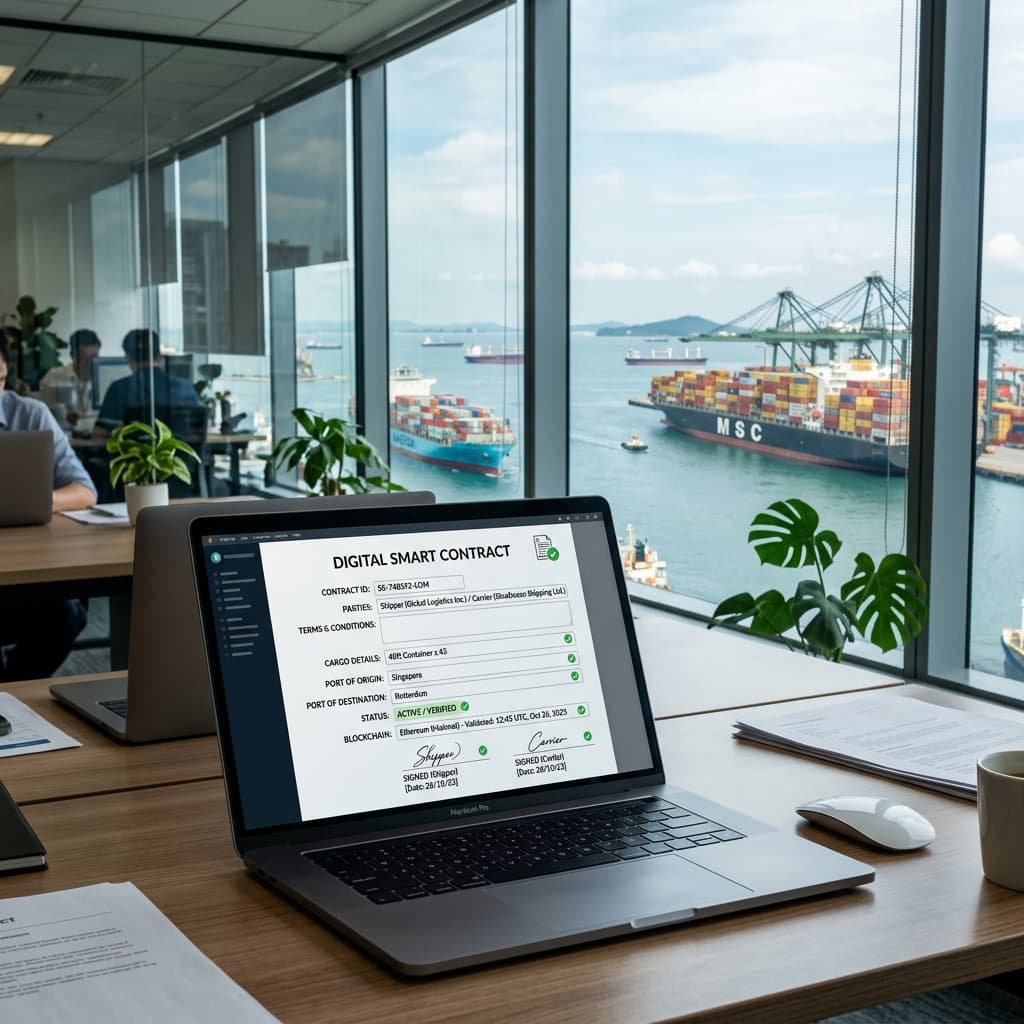
How Weak Credit Control Increases Receivable and Shipment Risk
Learn how to manage buyer credit limits, shipment holds, overdue exposure, approvals, and release decisions in export-import operations with practical controls, tables, workflows, and finance-team guidance - Dive deep into How Weak Credit Control Increases Receivable and Shipment Risk.
Read More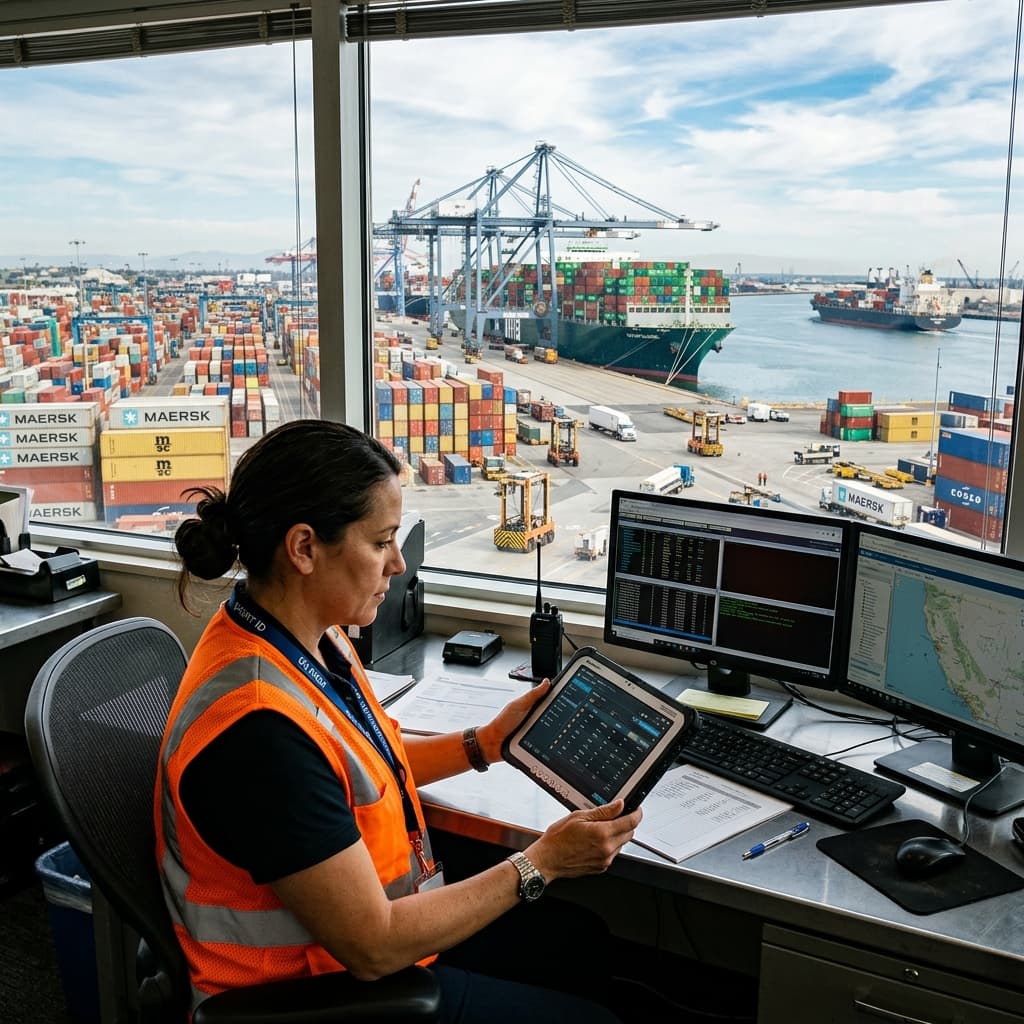
How Short Payments and Deductions Affect Receivable Closure
Learn how to track part receipts, short payments, deductions, residual balances, and invoice closure decisions in export-import operations with practical controls, tables, workflows, and finance-team guidance - Dive deep into How Short Payments and Deductions Affect Receivable Closure.
Read More