
Customs Compliance Software
That Keeps Clearance Connected to the Shipment
From export compliance checks and import readiness preparation to customs control, duty management, filing visibility, and a complete compliance trail — CargoClave keeps every regulatory and statutory action connected to the live shipment record, so clearance delays stop being discovered at the port.
What Happens When Compliance Is Managed Separately From the Shipment
Compliance Starts Too Late
Export compliance checks and import readiness preparation begin after execution pressure has already started.
Product classifications are reused without review, and destination requirements are only discovered during filing. Treating compliance as a filing activity rather than a preparation step means gaps only surface when there's no time left to fix them.
Customs Status Lives With the CHA
Operations, finance, and customer teams depend on follow-up calls to know where clearance stands.
Crucial updates—from filing status to duty payments—sit with the CHA or portal user, forcing internal teams to wait for manual updates. By the time customs blockers reach the right person, the window for a cost-effective response has often closed.
Duty Actions Fall Between Finance and Customs
Duty estimates, payment approvals, challan status, and payment proof move through emails without shared visibility.
Finance receives payment requests without context on clearance stages or delay costs, while customs teams wait blindly for payment confirmation. The real bottleneck isn't the duty amount—it's the complete disconnection between finance and customs.
The Compliance Trail Is Scattered
When an audit question or a buyer query arrives, teams have to reconstruct the compliance story from emails, folders, and portal screenshots.
Critical documents like approvals, duty challans, and clearance proofs sit in scattered locations. Even if compliance work was done, the lack of structured evidence turns every audit or dispute into a painful manual reconstruction exercise.
UNDERSTANDING THE MODULE
What Is Trade Compliance Management Software?
Customs Compliance Software is the operational layer that keeps every regulatory and statutory action — export checks, import preparation, customs filing, duty management, clearance milestones, and compliance evidence — connected to the live shipment record and visible to the teams that need to act on them.
It is distinct from enterprise GTS tools that focus on HS classification engines, restricted party screening, or global trade policy management. CargoClave's Customs & Compliance module is built for the ground-level operational reality of cross-border trade: reviewing export readiness before the shipment moves, preparing import files before cargo arrives, tracking customs control from filing to clearance, managing duty estimates and payment approvals as part of the clearance flow, keeping filing status visible to internal teams — not just the CHA — and maintaining a structured compliance trail that makes every audit and dispute answerable without a document search.
For exporters, importers, CHAs, and trade operations teams managing real shipments every day, this is the missing operational layer between "cargo moving" and "customs cleared."
Customs Clearance Software India & Global Capabilities
Six Compliance Layers Connected to Every Shipment
Customs Control
Keep customs movement under control from filing to clearance.
Track filing status, document readiness, query ownership, examination updates, duty coordination, and clearance milestones in one connected workflow — visible to operations, documentation, finance, and customer-facing teams, not just the CHA. Customs blockers become visible before they become delays.
Export Compliance
Ship exports with fewer compliance doubts.
Review product description, HS code, buyer and destination requirements, license needs, document consistency, and declaration readiness before the shipment moves toward customs. Export compliance becomes a preparation step built into the shipment flow — not a last-minute filing activity discovered under pressure.
Import Readiness
Be ready before the cargo arrives.
Prepare import documents, duty actions, permits, CHA follow-ups, and delivery plans before port pressure begins. Track arrival intelligence, document completeness, duty preparation, permit awareness, and release handoff — so clearance preparation starts weeks before the vessel docks, not hours after it does.
Duty Management
Keep duty actions ready before clearance waits.
Track duty estimates with full shipment context, route approvals to the right owner, follow challan generation and payment status, capture payment proof, and keep the cost impact visible for finance reconciliation — all connected to the shipment, so duty never becomes the silent reason clearance is held.
Filing Visibility
Know exactly where every filing stands.
Track filing preparation, checklist review, submission status, reference numbers, amendments, and proof — from one connected view accessible to internal teams, not just the team handling the portal. Preparation gaps, submission delays, and amendment trails stay visible to everyone who needs to act on them.
Compliance Trail
Keep every compliance action traceable.
Maintain a clear record of documents, approvals, filing updates, queries, duty actions, exceptions, and clearance decisions connected to the shipment from start to closure. When an audit question or a buyer dispute arrives, the answer is in the compliance record — not in a three-week-old email thread.

A Complete Import Export Compliance Platform Workflow
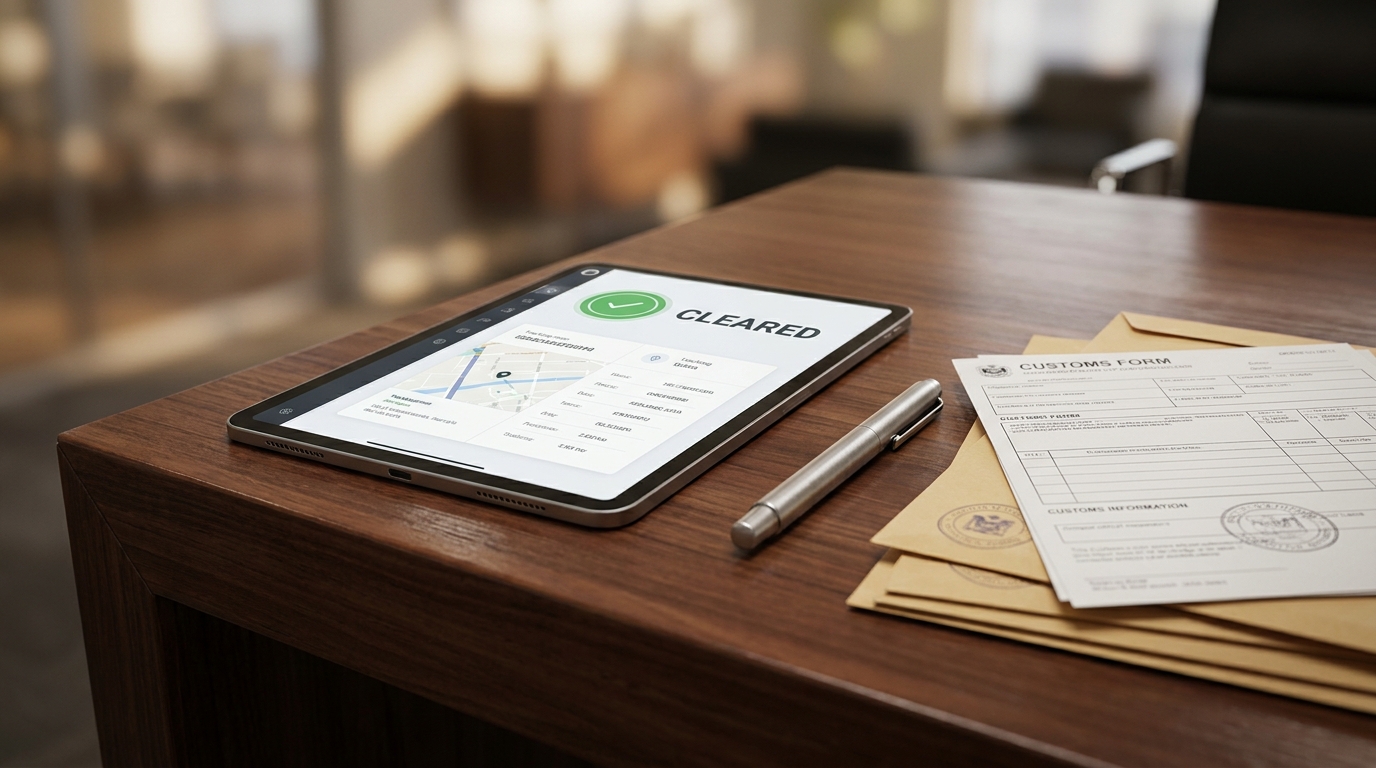
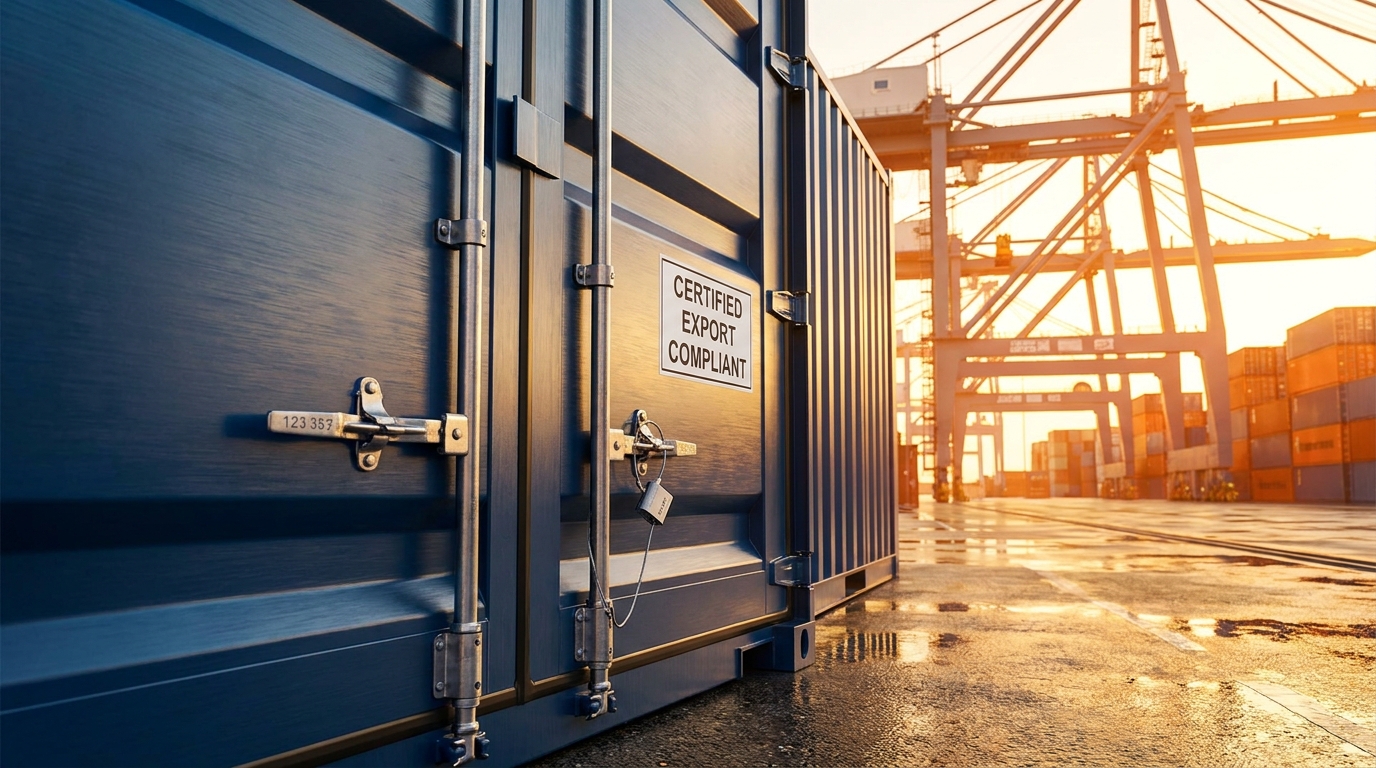
Check Compliance Before the Shipment Moves
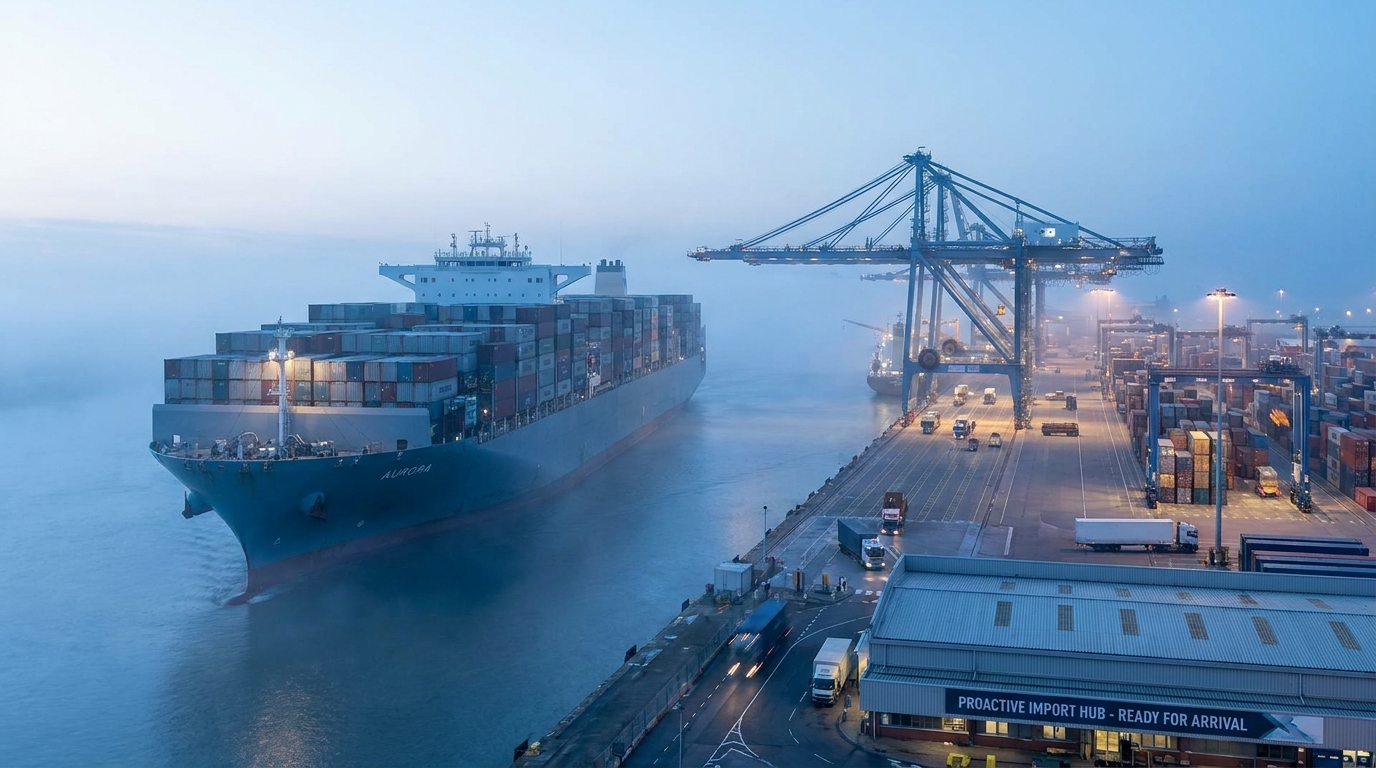
Control Customs From Filing to Clearance
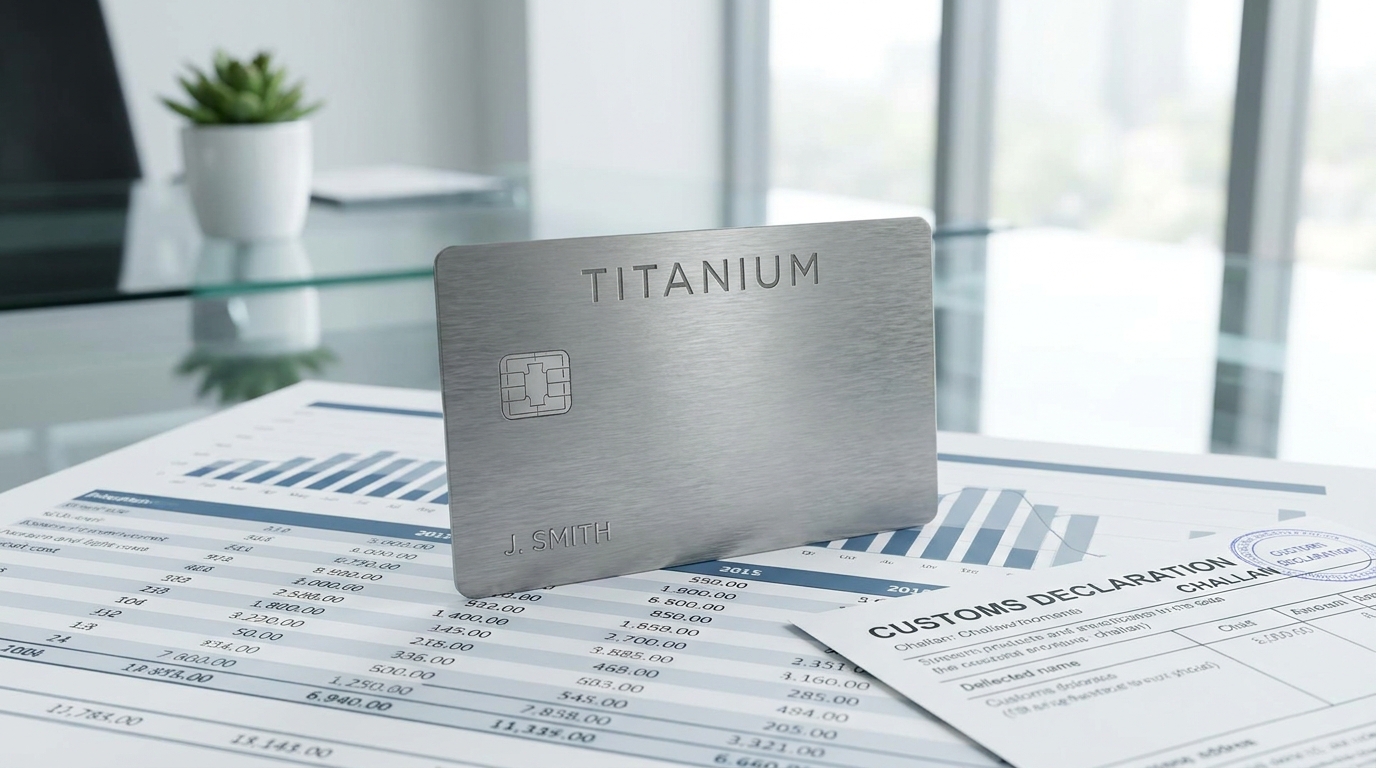
Keep Duty Actions Ahead of Clearance
Close With a Complete Compliance Trail
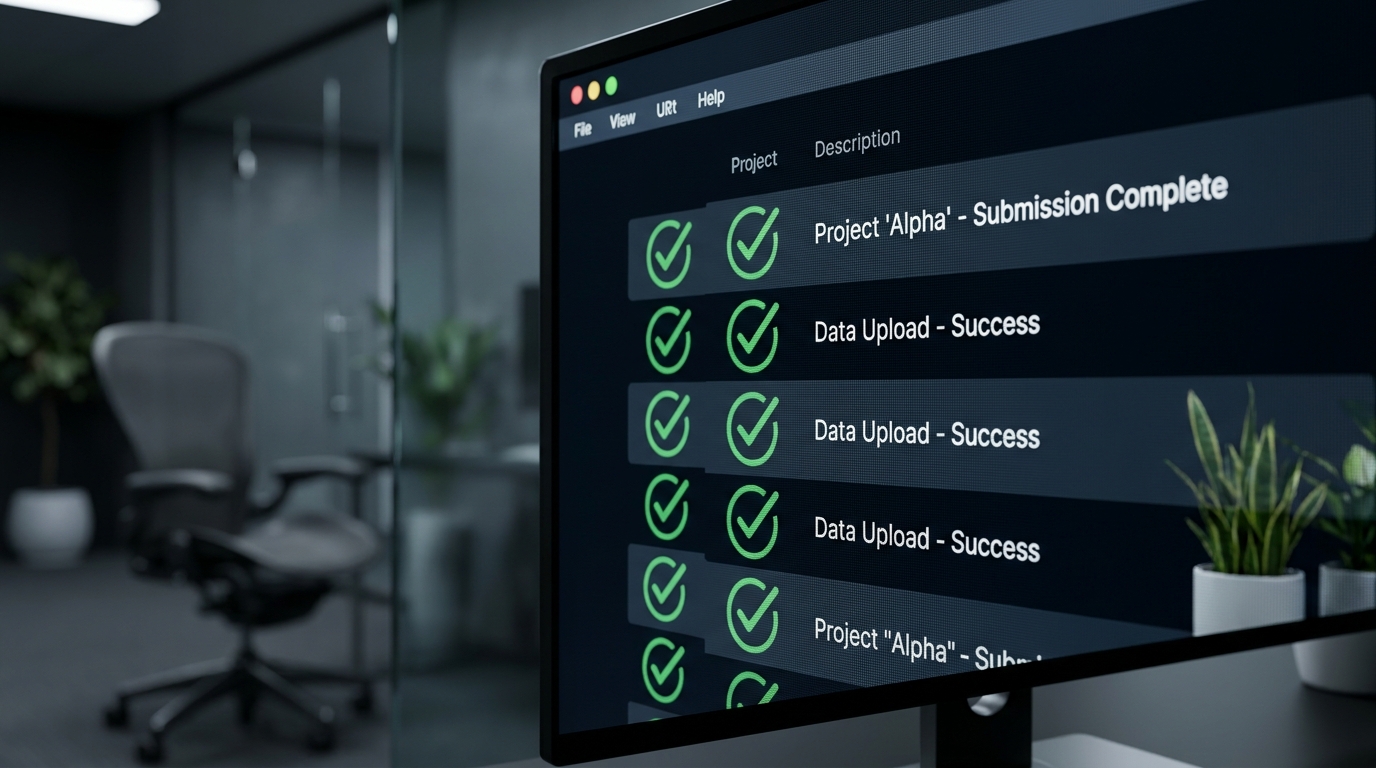
For every outbound shipment, Export Compliance runs a structured readiness check — product description, HS code, buyer and destination requirements, license needs, document alignment, and declaration readiness — before filing begins. For every inbound shipment, Import Readiness prepares the full clearance file — arrival intelligence, document completeness, duty preparation, permit tracking, and CHA follow-up plan — before cargo reaches the port. Compliance work starts in the planning stage, not the filing stage.
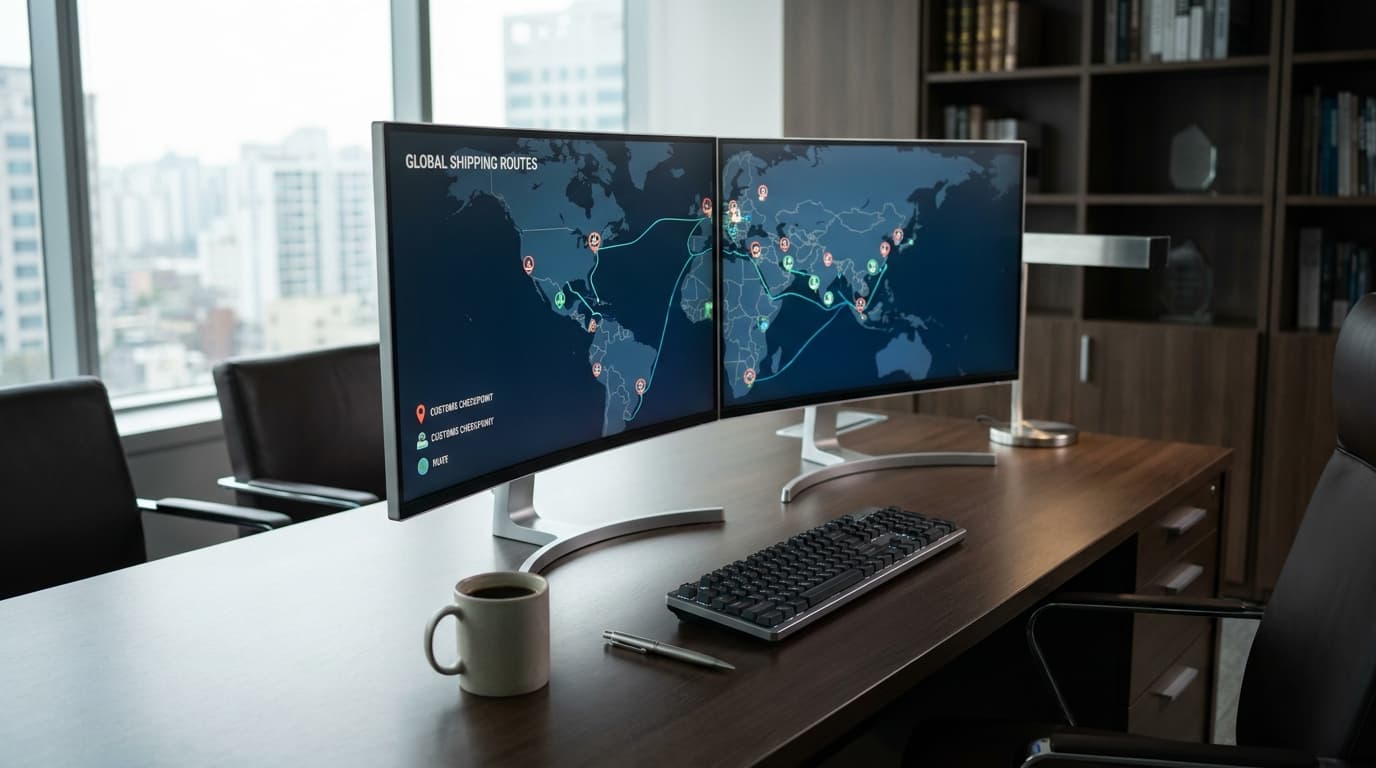
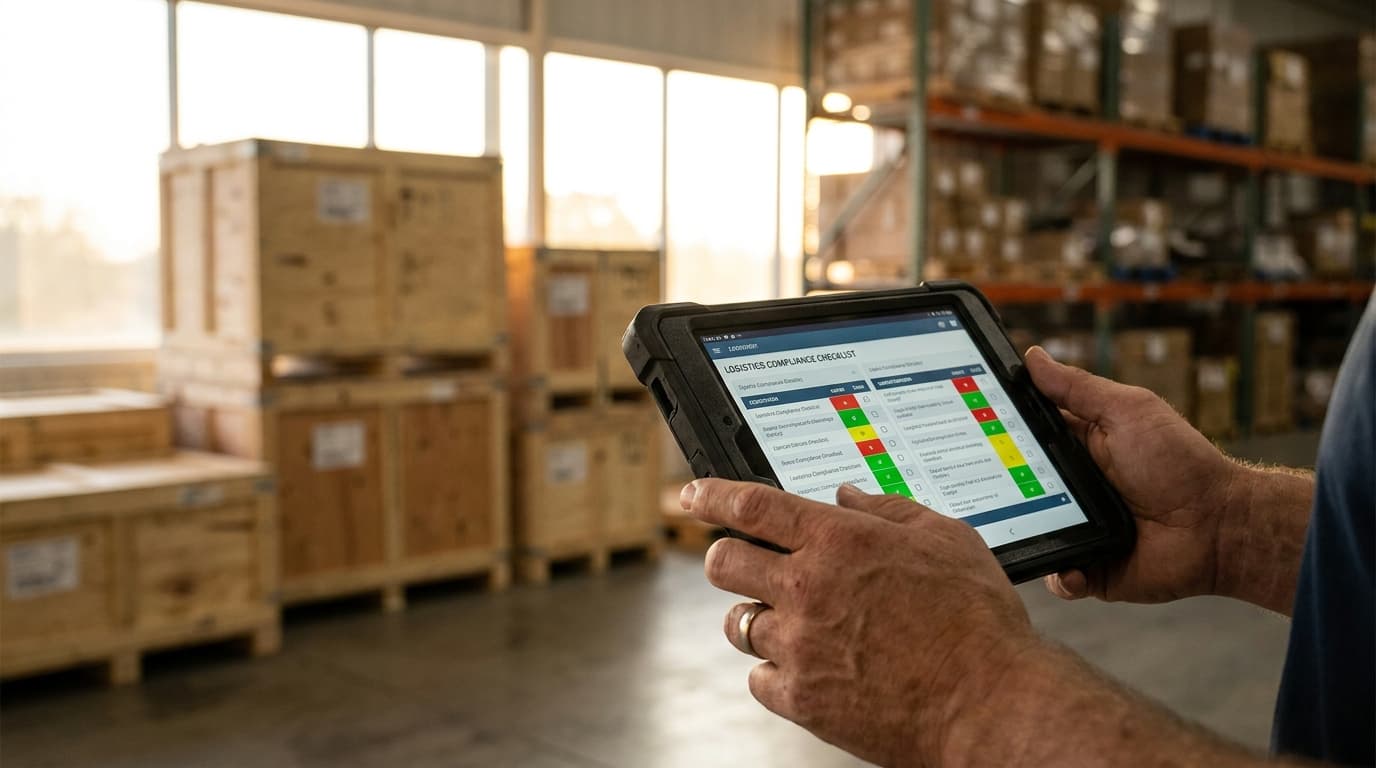
Once a shipment enters the customs process, Customs Control tracks the full clearance journey — filing status, query ownership, examination updates, duty coordination, and clearance milestones — in one workflow connected to the shipment record. Filing Visibility keeps every internal team informed of where the filing stands — preparation status, submission reference, amendment history, and proof records — without depending on a follow-up call to the CHA.
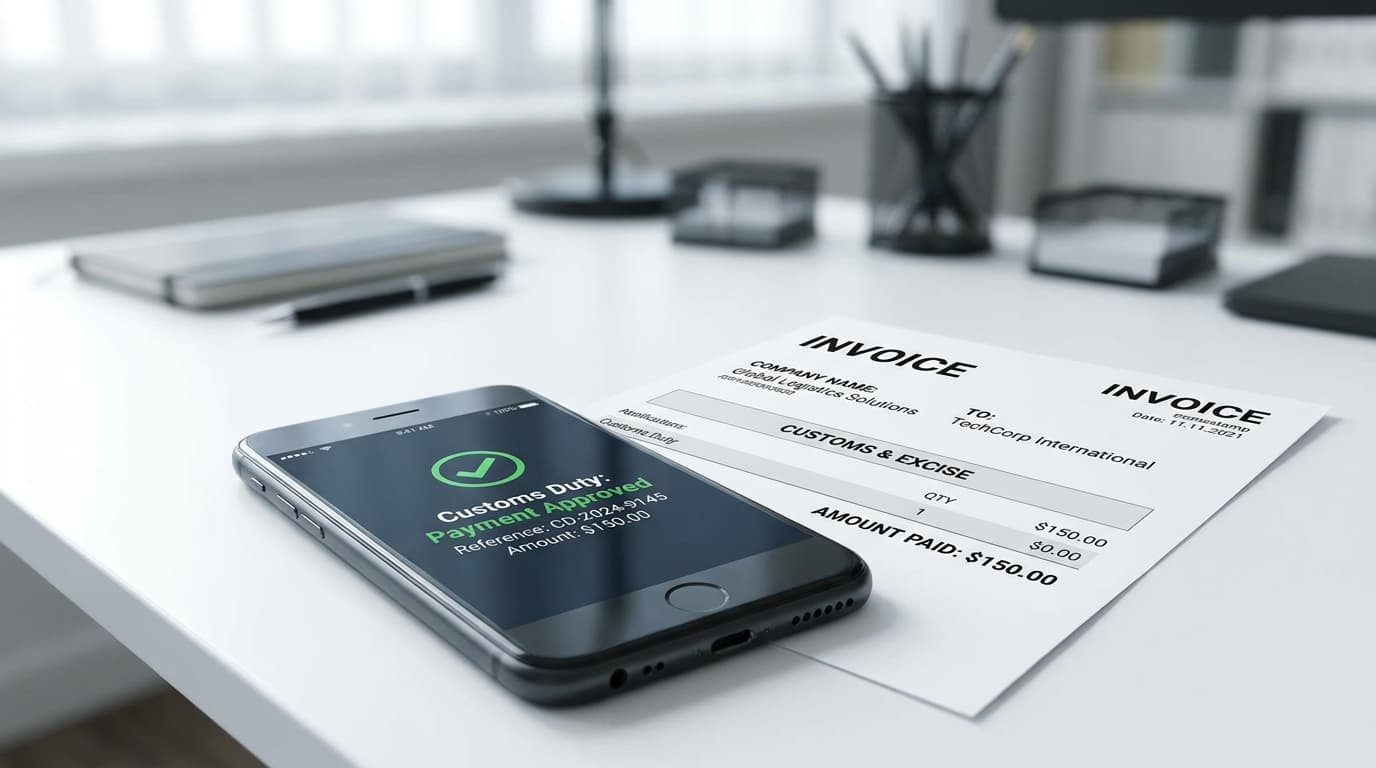
As customs progresses, Duty Management connects the duty estimate, finance approval, challan generation, payment confirmation, and proof capture to the shipment in real time. Finance sees the clearance urgency. Customs teams see the payment status. The duty approval cycle stops being the silent reason clearance is waiting.

When clearance is complete, every compliance action — documents, approvals, filing references, query responses, duty proof, examination records, and clearance confirmation — is preserved in a structured Compliance Trail connected to the shipment record. Audit questions, buyer disputes, and internal reviews are answered from the record, not from a manual search across emails and folders.
HMRC Customs Declaration Software for Every Role
Compliance Built Into the Shipment Flow. Not Bolted On at Filing.
Most customs and compliance tools are designed for classification management, restricted party screening, or global trade policy — functions that live in the compliance department, disconnected from the day-to-day operational teams managing actual shipments. CargoClave's Customs & Compliance module is built for a different context: the trade operations team that needs compliance to be a visible, connected part of the same workspace where nominations, execution plans, and logistics milestones live.
| CargoClave | Traditional Approach | |
|---|---|---|
| Export compliance | Structured check built into the shipment flow before filing | Reviewed informally, gaps discovered during filing or buyer review |
| Import readiness | Pre-arrival preparation with document tracking and duty planning | Preparation starts when cargo arrives; pressure triggers coordination |
| Customs control | Filing status, queries, examination, and clearance visible to all teams | Updates sit with CHA, shared manually when someone follows up |
| Duty management | Estimate, approval, challan, payment, and proof in one connected flow | Emails between finance and customs with no shared clearance context |
| Filing visibility | Preparation, submission, reference, amendments, and proof in one view | Status lives in CHA portal, shared only when specifically requested |
| Compliance trail | Every action, approval, document, and proof linked to the shipment | Scattered across emails, folders, portals, and personal devices |
Frequently Asked Questions
Is this HMRC Customs Declaration Software fully compliant for UK imports and exports?
Can HMRC Customs Declaration Software help prevent port delays?
How does HMRC Customs Declaration Software simplify audits?
Ready to Connect Compliance to Every Shipment — Before the Port Pressure Starts?
See how CargoClave's Customs & Compliance Software keeps export readiness, import preparation, customs control, duty management, filing visibility, and compliance trail in one workspace — so clearance stops being a surprise and starts being a controlled step.
No generic demo. We'll walk through a live shipment compliance workflow and show you where each layer fits.