
Turn pending payments into structured follow-ups.
Track buyer reminders, promised payment dates, response history, escalation actions, collection owners, and closure status across every open receivable.
What Keeps Collection Follow-Up Strong
Follow-Up Owner
Assign responsibility to finance, commercial, account owner, or management for each pending payment.
The payment is pending. The next follow-up is not always clear.
Follow-ups are handled manually
Finance teams may track reminders in spreadsheets, emails, calls, or personal notes without a shared action view.
Buyer responses are scattered
A payment commitment, dispute reason, delay explanation, or expected date may remain in one person’s inbox or phone.
Ownership is unclear
Commercial, finance, account manager, or management teams may all be involved, but the next action owner is not always defined.
Promised dates are missed
Buyers may commit to payment, but teams may not get alerts when the promised date passes.
Escalation happens late
A receivable may age further because escalation is triggered only during review meetings.
Collections need rhythm, ownership, and proof.
Once a payment becomes due or overdue, teams need more than an outstanding report. They need clear follow-up actions, buyer responses, expected payment dates, escalation points, and closure visibility. Collection Follow-Up helps finance and commercial teams manage receivable conversations without losing track of commitments, reminders, or pending actions.
Follow-up timing matters
A delayed reminder can extend the payment cycle and weaken collection discipline.
Buyer commitments need tracking
When a buyer promises payment on a date, that commitment should be recorded, monitored, and followed up if missed.
Escalations need context
Before escalation, teams need to know previous reminders, buyer responses, open issues, and document status.
Make collection follow-up structured and measurable.
CargoClave helps teams manage collection actions with reminder tracking, buyer response history, promise-to-pay visibility, escalation workflows, and closure status.
Collection Action Board
View pending follow-ups by buyer, invoice, shipment, due date, ageing, value, owner, and priority.
Reminder Tracker
Create and monitor follow-up reminders with planned date, completed date, communication mode, and next action.
Buyer Communication Log
Capture calls, emails, remarks, delay reasons, payment commitments, and supporting notes against the receivable.
Promise-to-Pay Monitor
Track promised dates, expected amounts, missed commitments, and follow-up actions when payment does not arrive.
Escalation Workflow
Move overdue cases to commercial, leadership, management, or dispute teams with complete follow-up history.
Collection Closure Record
Close follow-up only after receipt, reconciliation, adjustment, dispute resolution, or approved closure action.
Collections slow down when follow-ups are not visible.
Teams repeat the same reminder
Different users may contact the buyer without knowing what was already discussed.
Payment promises are not monitored
A buyer may commit to pay next week, but no one tracks whether the commitment is honored.
Dispute reasons stay unresolved
The buyer may delay payment due to document issues, quantity gaps, claims, or pricing disputes, but resolution ownership remains unclear.
High-value dues are not prioritized
Teams may treat all overdue invoices equally instead of focusing on value, ageing, buyer risk, and collection probability.
Escalations lack history
When a case reaches management, the full follow-up timeline may not be ready for review.
Stronger follow-up control.
Faster payment movement.






Related Insights & Resources

What Is Collection Follow-Up in Export-Import Payments?

Collection Follow-Up Checklist for Export Finance Teams
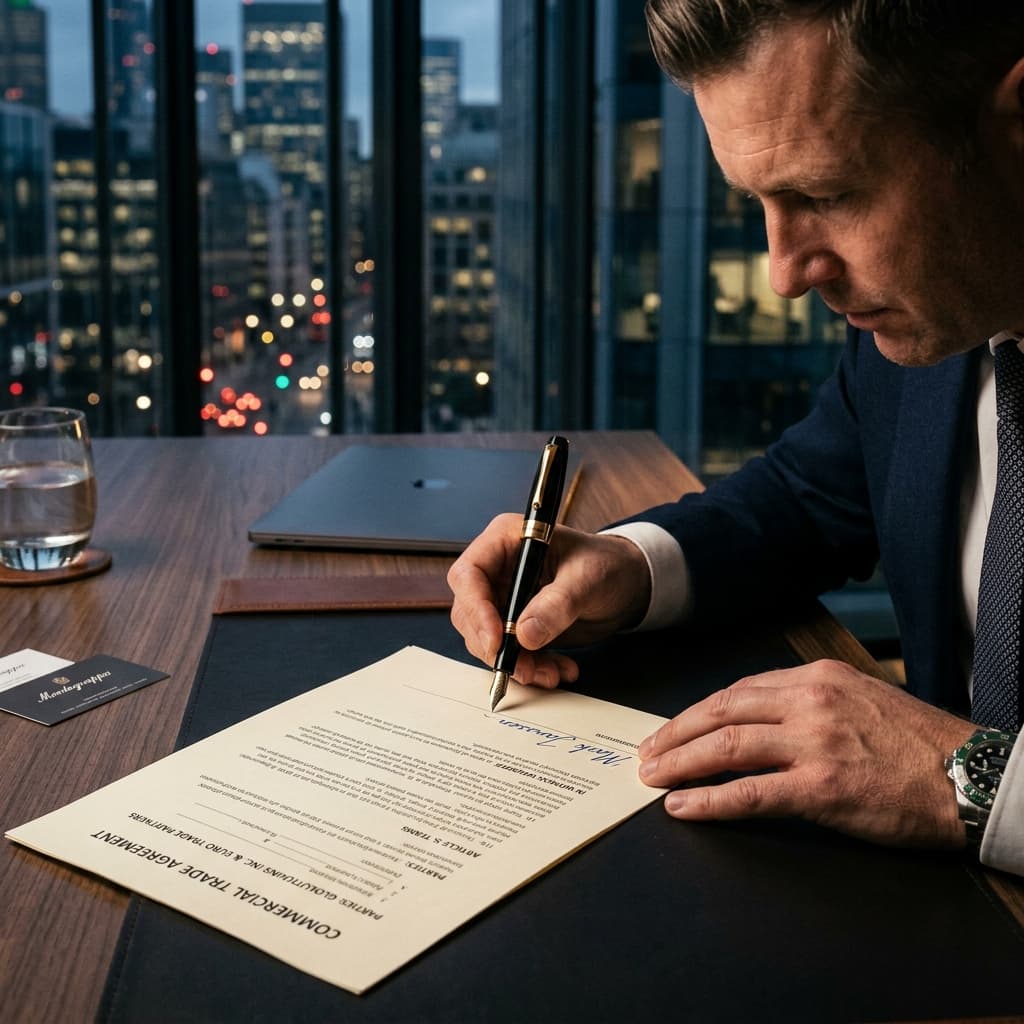
How Weak Collection Follow-Up Increases Ageing and Cash-Flow Pressure

Best Practices for Tracking Buyer Commitments and Payment Escalations
Bring one overdue buyer account with multiple follow-ups.
See how CargoClave turns collection conversations into a controlled recovery workflow.
Map overdue invoices, buyer responses, follow-up owners, reminder dates, promised payment timelines, escalation actions, and closure status in one connected view.