

How Incomplete Shipment Closure Creates Cost, Proof, and Audit Gaps
How Incomplete Shipment Closure Creates Cost, Proof, and Audit Gaps explained for logistics service providers teams managing contract-to-cash closure, settlement evidence, quantity/payment governance, and audit-ready trade records.
The Operational Problem Behind the Topic
Incomplete shipment closure is one of the quietest causes of logistics leakage. The shipment may appear completed in a tracking sheet, but missing proof, unresolved claims, unbilled charges, and weak file discipline can continue to affect margin and customer trust.
The problem is most visible during disputes. When a customer asks for delivery proof or finance asks why recovery was not billed, the team starts searching through emails, portals, chat messages, and local folders. By then, the closure failure has already become expensive.
Proof Gaps Become Cost Gaps
A missing POD or gate proof may appear harmless until a customer disputes delivery, a recovery invoice is challenged, or an auditor asks how the service was completed.
Why Cost Items Escape Closure
Charges such as detention, demurrage, waiting time, extra transport, or documentation penalties may be known operationally but not billed if the file closes without a cost-recovery review.
The Audit Weakness
Incomplete shipment files weaken audit confidence because the business cannot demonstrate when the shipment moved, who accepted delivery, what exceptions occurred, and how those exceptions were resolved.
Shipment Closure Risk Signals
| Signal to Watch | What It Usually Means | Action Before Closure |
|---|---|---|
| Delivery complete but POD missing | Physical movement outpaced evidence capture | Request proof before driver/vendor context is lost |
| Costs still pending after file closure | Cost capture is not part of closure gate | Run cost and recovery check before final close |
| Customer query reopens old file | Closure note lacked sufficient evidence | Create searchable file index and handover record |
Technology Angle
Digital closure control helps because it keeps the confirmation that a shipment file has completed movement, documentation, exception handling, customer proof, cost capture, and operational sign-off connected to the records that created it. Instead of asking teams to manually assemble proof at the end, the system should collect status, evidence, values, approvals, and exceptions during execution.
For shipment closure, the most useful technology is not a dashboard alone. The workflow needs structured reason codes, evidence links, owner assignment, ageing, approval rules, and drill-down from summary to source transaction.
Shipment Closure Workflow Visualization
Swipe ↔
Shipment Closure KPIs to Track
| KPI | What It Helps Measure |
|---|---|
| shipment closure cycle time | Measures the number of days between operational completion and final file closure. |
| files closed with missing proof | Shows whether closure is happening before delivery evidence is properly captured. |
| open cost items per shipment | Reveals cost leakage risk from pending vendor charges, recoveries, or unbilled extras. |
| exception ageing | Shows how long delays, damages, shortages, or documentation issues remain open. |
| customer acknowledgment delay | Measures the lag between delivery completion and customer confirmation. |
Closing Takeaway
The cost of weak shipment closure is rarely visible in one transaction. It appears through repeated leakage, slow settlement, and weaker audit confidence.
FAQs
Why does weak shipment closure become expensive?▼
Is shipment closure mainly an operations issue or a finance issue?▼
What is the earliest warning sign in shipment closure?▼
How can teams reduce this risk?▼
Related Resources
Continue reading on this topic

How Poor Receivable Visibility Impacts Cash Flow in Logistics Operations
Learn how to track shipment-wise receivables, ageing, buyer exposure, collection actions, and cash-flow visibility in export-import operations with practical controls, tables, workflows, and finance-team guidance - Dive deep into How Poor Receivable Visibility Impacts Cash Flow in Logistics Operations.
Read More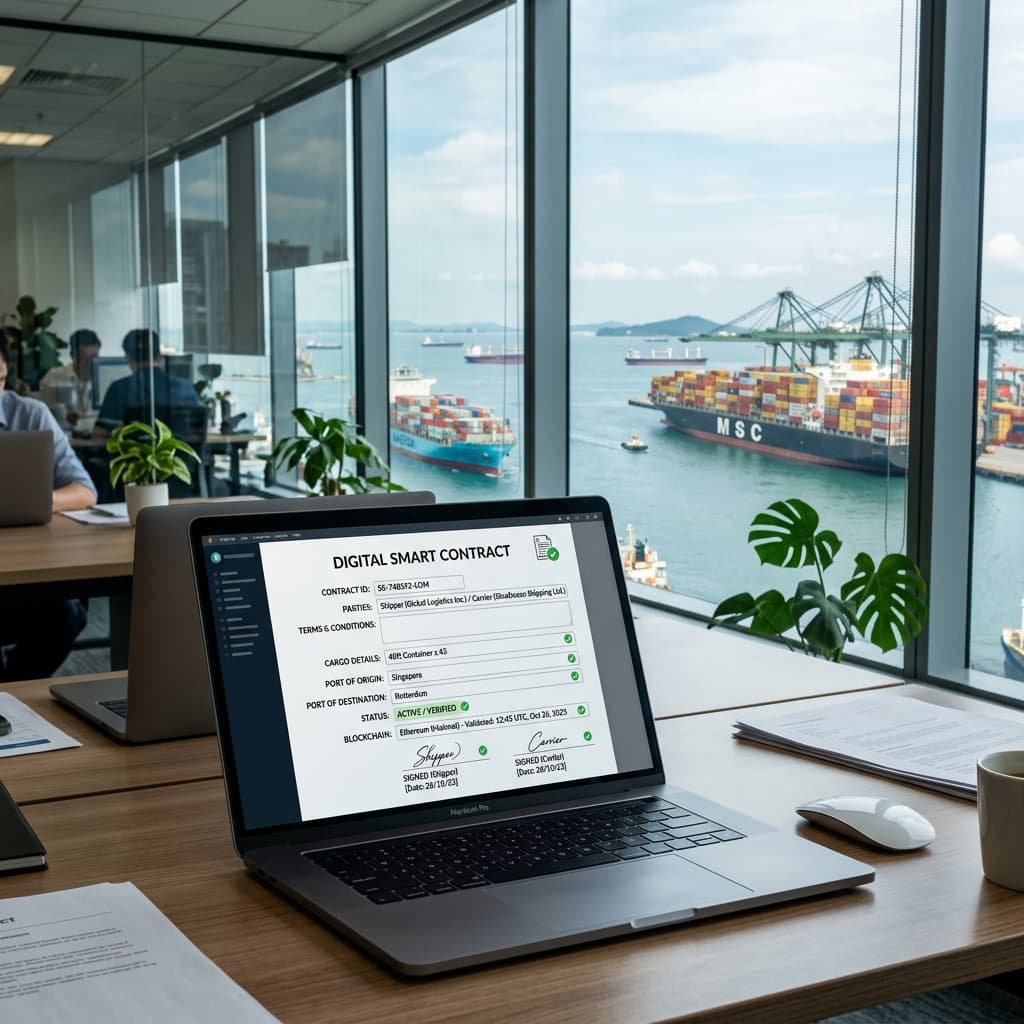
How Weak Credit Control Increases Receivable and Shipment Risk
Learn how to manage buyer credit limits, shipment holds, overdue exposure, approvals, and release decisions in export-import operations with practical controls, tables, workflows, and finance-team guidance - Dive deep into How Weak Credit Control Increases Receivable and Shipment Risk.
Read More
How Short Payments and Deductions Affect Receivable Closure
Learn how to track part receipts, short payments, deductions, residual balances, and invoice closure decisions in export-import operations with practical controls, tables, workflows, and finance-team guidance - Dive deep into How Short Payments and Deductions Affect Receivable Closure.
Read More