
What Is Final BL Release in Bill of Lading Approval?
Understand final bl release in Bill of Lading approval, including field ownership, review flow, document evidence, and digital control practices for freight teams.
Opening Context
What Is Final BL Release in Bill of Lading Approval? explains the operating role of final bl release inside the Bill of Lading approval journey. For logistics service providers and freight forwarders, the BL is not merely a carrier document; it is a legal, commercial, and release-sensitive record that must match shipment facts before it is allowed to move forward. Final BL release has become more complex because customers expect faster document availability while carriers, banks, and buyers still require strict control over release type, freight charges, originals, digital records, and surrender instructions.
The Business Meaning
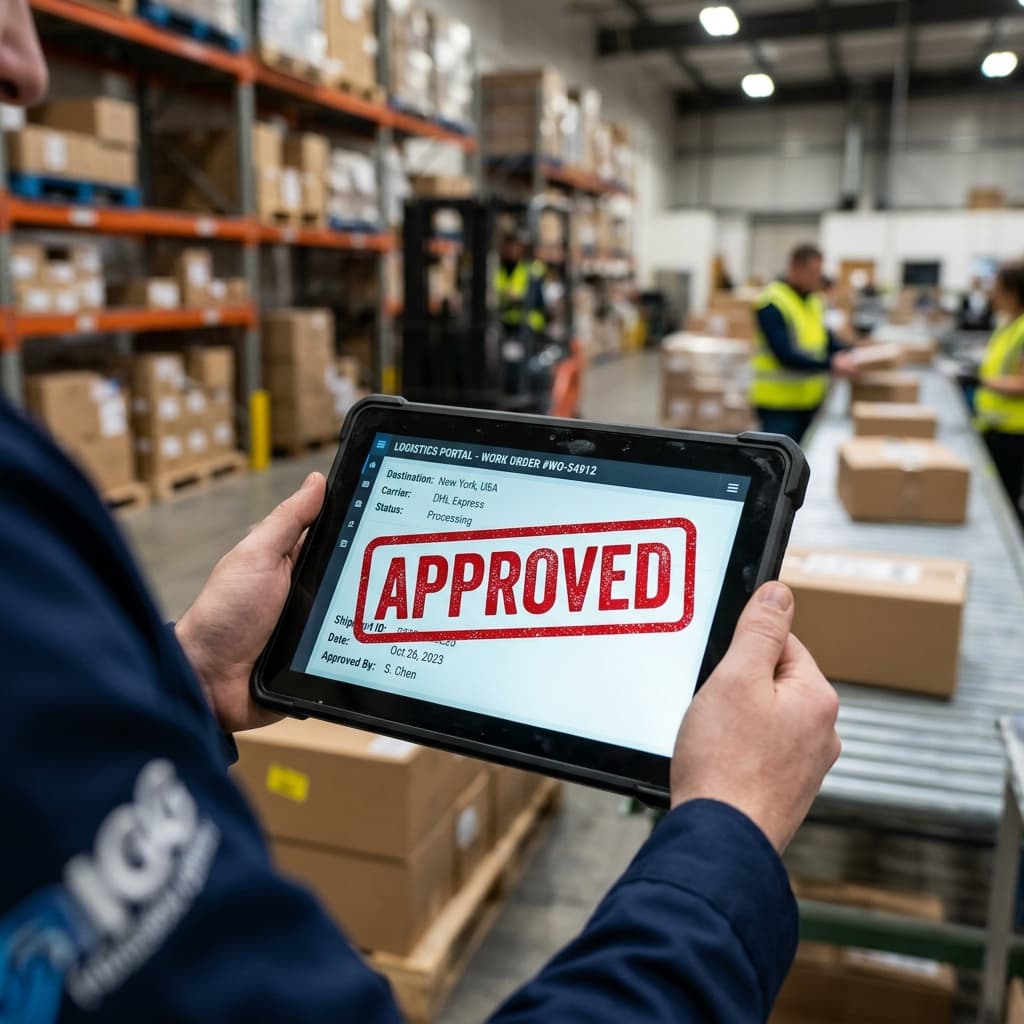
Final BL release is the controlled issuance or release of the approved Bill of Lading after the draft has been validated, corrections are closed, release dependencies are satisfied, and the required release method is confirmed.
Release is where documentation control becomes cargo-access control. The team must know whether the shipment requires original BLs, sea waybill, telex release, surrender, express release, or electronic BL handling, and whether every commercial dependency is complete.
In daily work, final bl release becomes important when the BL draft starts moving between the carrier, documentation desk, operations, customer, finance, and commercial stakeholders. The control objective is to keep the document connected to the actual shipment rather than allowing the draft to become a disconnected attachment.
Where It Enters the BL Journey
| Step | Workflow Moment | Why It Matters |
|---|---|---|
| 1 | Final draft approved | Final draft approved is the first point where the team should capture the BL status instead of waiting for someone to forward an email later. |
| 2 | Release method confirmed | Release method confirmed needs visible ownership, evidence, and a timestamp so the BL does not drift between departments without accountability. |
| 3 | Charges cleared | Charges cleared needs visible ownership, evidence, and a timestamp so the BL does not drift between departments without accountability. |
| 4 | Authorization recorded | Authorization recorded needs visible ownership, evidence, and a timestamp so the BL does not drift between departments without accountability. |
| 5 | Carrier release completed | Carrier release completed needs visible ownership, evidence, and a timestamp so the BL does not drift between departments without accountability. |
| 6 | Originals or eBL handled | Originals or eBL handled needs visible ownership, evidence, and a timestamp so the BL does not drift between departments without accountability. |
| 7 | Dispatch proof captured | Dispatch proof captured needs visible ownership, evidence, and a timestamp so the BL does not drift between departments without accountability. |
| 8 | Receipt acknowledged | Receipt acknowledged needs visible ownership, evidence, and a timestamp so the BL does not drift between departments without accountability. |
| 9 | Release closed | Release closed should close the workflow only when proof exists that the latest approved version is complete and usable. |
The Data That Decides Accuracy
The quality of final bl release depends on whether the team captures details that are specific enough to support review, correction, and final release. Generic statuses such as "pending" or "done" are not enough because they do not show which field was reviewed, which version was used, or what evidence supported the decision.
| Data Field | Why It Matters in This Workflow |
|---|---|
| Final BL version reference | The release must be tied to the exact version that was approved. This avoids releasing a document that differs from the version reviewed by internal teams or the customer. |
| Release method | Original BL, sea waybill, telex release, surrendered BL, express release, or eBL workflows carry different risks and responsibilities. The method must match buyer, payment, and carrier instructions. |
| Freight and local charge clearance | Many carriers will not release documents until freight, origin charges, or credit conditions are settled. Tracking this prevents false promises to customers. |
| Customer or shipper authorization | The party authorized to release the BL should be clear. A release based on an informal message can create legal and commercial exposure. |
| Original document count | For original BLs, the number of originals printed, collected, couriered, or retained must be tracked. Missing originals can delay payment or cargo release. |
| Surrender or telex instruction date | When a BL is surrendered or released electronically, the instruction date and confirmation from the carrier or agent should be recorded for proof. |
| Dispatch and acknowledgement details | Courier number, handover note, scan sharing, bank dispatch, buyer acknowledgement, and document receipt status close the release chain. |
| Release hold reason | If the BL is not released, the hold reason should be visible: charges pending, customer approval pending, correction pending, bank instruction pending, or carrier confirmation pending. |
How Teams Usually Work Today
- Confirm release method before finalization: The release method should be aligned before the line issues the final BL. Changing from original BL to telex release or sea waybill after final issuance may create extra work, cost, or policy restrictions.
- Link release to payment and document terms: LC, CAD, DP, DA, open credit, and advance-payment shipments may need different release controls. Documentation teams should not release originals without understanding the payment condition.
- Verify charge clearance early: Freight payment, local charges, and credit holds should be checked before the customer starts asking for the final BL. This prevents last-minute escalation.
- Track original movement like inventory: Original BLs should be treated as controlled documents. The team should know how many originals exist, where they are, who collected them, and when they were dispatched or acknowledged.
For final bl release, the practical test is simple: if a new team member opens the record, they should understand what the BL says, why it says that, who approved it, and which action remains open. If those details still sit inside five email threads, this specific workflow remains exposed.
A Stronger Operating Model
A shipment under CAD terms needs original BLs to be sent through the bank. The final BL is correct, but originals are handed over without dispatch evidence. When payment is delayed, the exporter cannot prove when the bank received the documents. A release workflow would capture original count, courier proof, bank acknowledgement, and release closure.
This example shows why final bl release should be measured as a control process rather than a clerical task. The cost of weak control usually appears later as carrier follow-up, buyer queries, document dispatch delays, or payment discrepancies.
Digital Workflow Angle
A release workflow can connect BL approval, charge clearance, release instruction, original document tracking, carrier confirmation, and bank or customer acknowledgement into a controlled final-release record. In this explainers draft, the technology point is applied specifically to final bl release decisions and evidence.
For final bl release, the digital layer should not remove human review. It should make each reviewer more reliable by showing the current version, relevant source documents, structured comments, ageing indicators, and a closure trail tied to this specific BL control area.
Swipe ↔
Closing Takeaway
Final BL Release gives BL teams a clearer way to move from draft receipt to controlled approval. When the workflow is structured, the BL becomes a reliable trade document instead of a fragile attachment moving through disconnected conversations.
FAQs
Why is final bl release important in BL approval?▼
Which teams should be involved in final bl release?▼
What is the biggest risk if final bl release is handled informally?▼
How can teams measure final bl release performance?▼
Can technology replace manual review for final bl release?▼
What makes final bl release different from general BL checking?▼
Related Resources
Continue reading on this topic

Shipping Instructions Checklist for Documentation and Freight Teams
Checklists resource on shipping instructions in shipping documentation, covering the specific operating lens behind shipping instructions checklist for documentation and freight teams, field controls, document evidence, team ownership, and digital workflow discipline.
Read More
Freight Terms Checklist for Documentation and Freight Teams
Checklists resource on freight terms in shipping documentation, covering the specific operating lens behind freight terms checklist for documentation and freight teams, field controls, document evidence, team ownership, and digital workflow discipline.
Read More
Shipping Line Coordination Checklist for Documentation and Freight Teams
Checklists resource on shipping line coordination in shipping documentation, covering the specific operating lens behind shipping line coordination checklist for documentation and freight teams, field controls, document evidence, team ownership, and digital workflow discipline.
Read More