
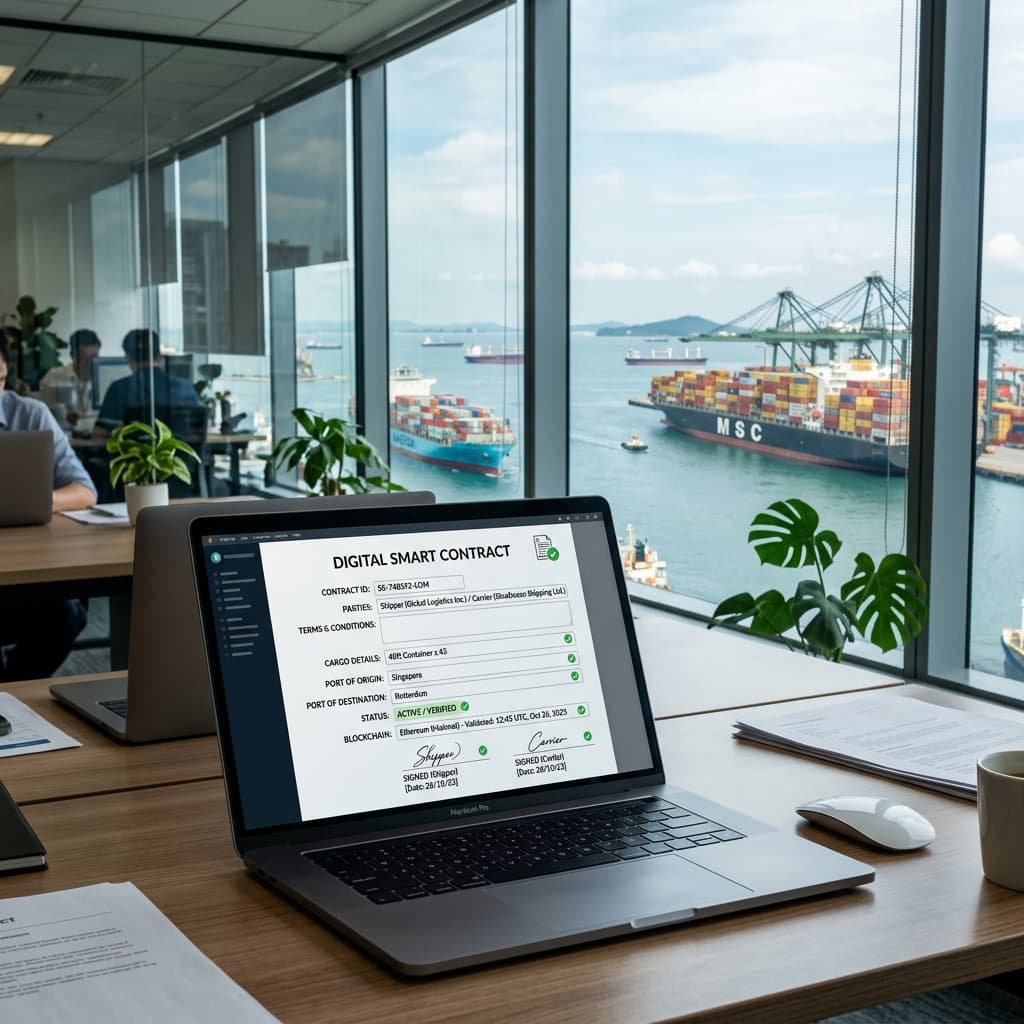
What Is Short Closure in Contract-to-Cash Trade Execution?
What Is Short Closure in Contract-to-Cash Trade Execution? explained for exporters & importers teams managing contract-to-cash closure, settlement evidence, quantity/payment governance, and audit-ready trade records.
Short closure is the controlled decision to close a remaining contract balance without executing the full original quantity or value. It is common in commodity and export trade, but it becomes risky when handled informally.
A short closure may be legitimate because of tolerance, buyer confirmation, supply constraint, shipment economics, seasonality, regulatory change, or mutual commercial agreement. The key is to distinguish a valid short closure from hidden revenue leakage.
Short Closure Source Records
| Source Record | Role in Closure Decision |
|---|---|
| open balance statement | Shows the exact quantity or value that remains unexecuted. |
| contract tolerance or cancellation clause | Provides the contractual basis for closing less than the original commitment. |
| buyer confirmation | Supports the commercial agreement to stop further execution. |
| internal approval note | Records the management decision to approve closure impact. |
| commercial impact calculation | Shows revenue, margin, inventory, or buyer-service effect of the decision. |
| short-closure reason code | Classifies the closure reason for reporting and analysis. |
Short Closure Is a Controlled Exception, Not a Cleanup Shortcut
Short closure is used when a contract balance will not be executed further. It can be commercially valid, but it must be documented because it changes the original delivery commitment.
The key question is not only “Can we close this balance?” but “Why is the balance not being executed, what is the value impact, and who has accepted the outcome?”
Common Reasons for Short Closure
Balances may be short closed because they fall within agreed tolerance, buyer demand changes, inventory is unavailable, shipment economics do not justify a small lot, quality acceptance changes, or both parties agree to close the residual quantity.
Each reason has a different risk profile. A tolerance-based short closure may be routine; a buyer-cancellation short closure may affect revenue; a supply-failure short closure may reveal execution weakness.
Why Informal Short Closure Is Risky
When a balance is simply removed from an Excel tracker, the business loses the trail of original obligation, approval, value impact, and customer position. This can create disputes later when buyer, finance, or audit asks why the contract was closed below commitment.
A controlled short closure keeps the decision transparent and separates legitimate closure from hidden write-off.
The Minimum Record for Short Closure
A short closure file should show open balance, clause or commercial basis, buyer or internal approval, value impact, inventory or supplier impact, reason code, and closure date.
The final status should not say only “closed.” It should identify the closure as short closed so reporting remains honest.
Short Closure Workflow Visualization
Swipe ↔
Short Closure KPIs to Track
| KPI | What It Helps Measure |
|---|---|
| short-closed quantity value | Shows the commercial value of contract balance closed without full execution. |
| approved vs unapproved closure ratio | Highlights whether short closure is governed or being used informally. |
| aged open balances | Identifies residual balances that remain open beyond acceptable closure timelines. |
| contracts closed outside tolerance | Flags short closures that may need stronger approval or commercial review. |
| revenue impact of short closure | Quantifies expected revenue removed through approved or unapproved short closure. |
Closing Takeaway
Short Closure gives the business a clearer definition of what is truly finished. Without it, teams may confuse activity completion with commercial closure.
FAQs
Is short closure the same as final contract closure?▼
Who should own short closure?▼
When should short closure begin?▼
What evidence makes short closure reliable?▼
Related Resources
Continue reading on this topic
What Is Receivables Tracking in Export-Import Trade?
Learn how to track shipment-wise receivables, ageing, buyer exposure, collection actions, and cash-flow visibility in export-import operations with practical controls, tables, workflows, and finance-team guidance - Dive deep into What Is Receivables Tracking in Export-Import Trade?.
Read More
Receivables Tracking Checklist for Export Finance Teams
Learn how to track shipment-wise receivables, ageing, buyer exposure, collection actions, and cash-flow visibility in export-import operations with practical controls, tables, workflows, and finance-team guidance - Dive deep into Receivables Tracking Checklist for Export Finance Teams.
Read More
Best Practices for Tracking Shipment-Wise Outstanding and Ageing
Learn how to track shipment-wise receivables, ageing, buyer exposure, collection actions, and cash-flow visibility in export-import operations with practical controls, tables, workflows, and finance-team guidance - Dive deep into Best Practices for Tracking Shipment-Wise Outstanding and Ageing.
Read More